Warning: foreach() argument must be of type array|object, false given in /home/u750883576/domains/esl-news.com/public_html/wp-content/plugins/gpt-post-quiz/includes/admin/class-gpoq-admin-4.php on line 450
Warning: foreach() argument must be of type array|object, false given in /home/u750883576/domains/esl-news.com/public_html/wp-content/plugins/td-composer/legacy/common/wp_booster/td_menu.php on line 88
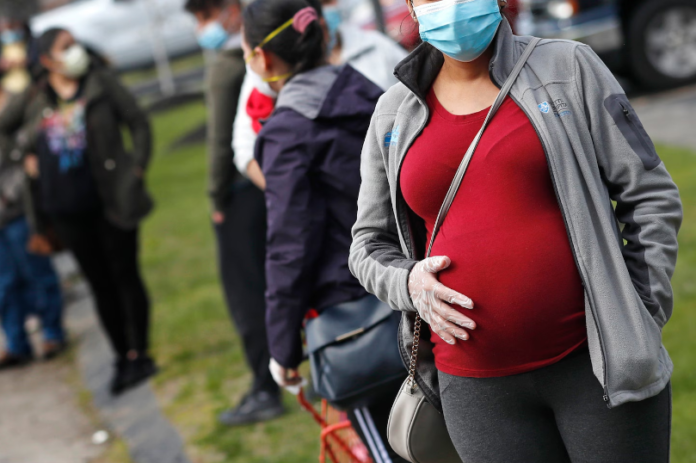
A recent study published in the journal Obstetrics and Gynecology revealed that nearly 10% of individuals who were infected with COVID-19 during pregnancy developed long covid. This study shed light on the impact of the virus on pregnant individuals, indicating that long covid may be more prevalent in this population than in the general population.
Researchers, funded by the National Institutes of Health’s RECOVER initiative, followed 1,500 pregnant individuals infected with the virus, finding that symptoms associated with long covid persisted even 10 months after the initial infection. Common symptoms reported included fatigue, malaise, and gastrointestinal issues, which can mimic signs of pregnancy.
Experts emphasized the importance of ongoing care for individuals post-pregnancy, especially those experiencing chronic conditions like long covid. Cynthia Abraham, an associate professor at Icahn School of Medicine, highlighted the potential risks of respiratory illnesses during pregnancy, urging more research in this area.
With the Biden administration allocating additional funds to study long covid, including its impact on pregnancy, researchers like OB/GYN Monica Longo underscored the need to understand how the disease affects both pregnant individuals and their developing fetuses. Future studies could delve into the long-term implications of COVID-19 exposure on fetal development and post-birth outcomes.
Test Your Understanding
Start Quiz
Vocabulary List:
6 words · tap to reveal
ON
AccentSpeed
Prevalent/ˈprɛvələnt/adjective
Widespread in a particular area at a particular time.
Persisted/pərˈsɪstɪd/verb
Continued to exist or endure over a prolonged period.
Malaise/məˈleɪz/noun
A general feeling of discomfort or unease.
Chronic/ˈkrɒnɪk/adjective
Persisting for a long time or constantly recurring.
Implications/ˌɪmplɪˈkeɪʃənz/noun
Consequences or outcomes that may result from a particular action or decision.
Respiratory/ˈrɛspərətɔri/adjective
Relating to or affecting the organs of respiration.