

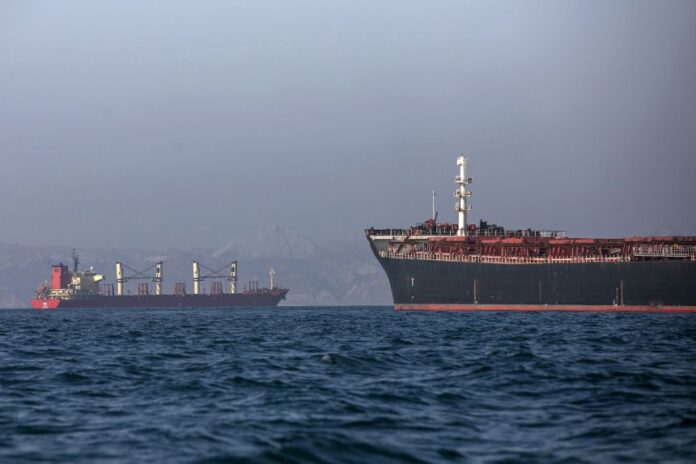
Wholesale motor oil prices are surging rapidly, prompting industry leaders to caution against impending shortages driven by the ongoing war with Iran. The conflict has caused damage to crucial facilities in the Middle East and the blockade of the Strait of Hormuz, a strategic waterway for oil transport.
This situation has led to fears that popular motor oil types could soon be scarce, necessitating delays in oil changes for drivers or reliance on unsuitable alternatives. Holly Alfano, CEO of the Independent Lubricant Manufacturers Association (ILMA), expressed her conviction that shortages are unavoidable and warned that it might take up to a year to resolve the crisis.
Tom Glenn, president of Petroleum Trends International, noted the unprecedented price hikes in motor oil observed since the outbreak of hostilities. Normally, price increases for distributors range from 70 to 80 pence per gallon annually; however, this year, some distributors have witnessed price surges exceeding £5 per gallon. This escalation is linked to rising costs for crude oil and essential components necessary for motor oil production.
ILMA has flagged an imminent scarcity of low viscosity oils, such as 0W-16 and 0W-20, which are vital for modern vehicles and accounted for a sizeable portion of passenger car oil demand last year. As nearly half of the Group III base oils, essential for motor oil manufacturing, originate from just three Gulf producers, the ongoing conflict poses significant risks to supply chains.
The United States typically relies on South Korea for additional supplies, but Asian refiners face similar challenges, diverting production towards more profitable jet fuel and diesel. Despite the efforts of the Energy Department, which is exploring various strategies to address the situation, industry experts foresee continued challenges in the short term, with indications of early shortages reported in certain regions.
Looking ahead, stakeholders will need to consider temporary adjustments, such as permitting the use of alternative viscosity oils and altering recommended oil change frequencies to mitigate the impact of the shortages while aiming to sustain supply levels.


