Saturday, March 14, 2026

Mediterranean Diet Insights from Greek Trip

A dietitian on the Mediterranean diet found inspiration during a visit to Greece. This experience led to several changes in her eating habits, which incorporate more elements of the Mediterranean lifestyle.

The Mediterranean diet is known for its health benefits, featuring fresh food like lean proteins, seafood, and whole grains. However, following this diet can be challenging in the US, especially in the South, where the local cuisine differs significantly.

In Greece, the diet seemed like a natural part of life. The dietitian enjoyed many fresh dishes, enhanced with quality olive oil and wine. This inspired her to adopt simple practices that she could easily integrate into her routine back in the US.

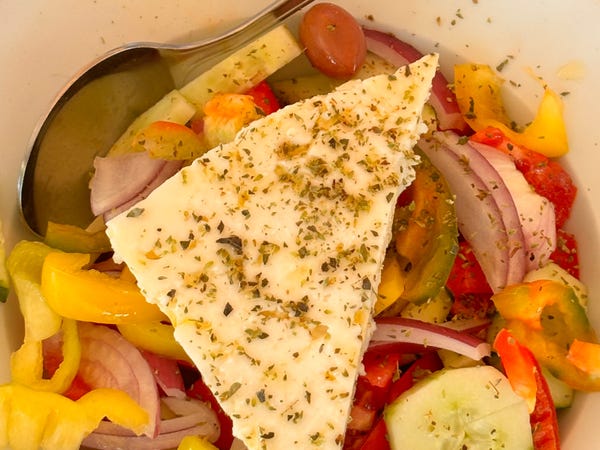
She now includes salads with breakfast to boost her vegetable and fibre intake. Starting the day with a salad is simple to incorporate and provides numerous nutrients early on.

Honey has also become a staple in her kitchen, used to sweeten nutrient-rich dishes like yogurt without relying on refined sugars. Furthermore, grilled sardines have become her go-to snack due to their omega-3 fatty acids and lower mercury levels.

The dietitian has introduced small glasses of wine at dinner, embracing the Mediterranean tradition of enjoying meals with company. This helps create a relaxed dining experience.

Lastly, she has added grilled calamari to her recipe rotation, offering a healthier choice compared to fried foods. These changes reflect her aim to follow a heart-healthy and sustainable eating pattern, inspired by her experiences in Greece.


Test Your Understanding

Start Quiz

Vocabulary List:
6 words · tap to reveal
OFF

AccentSpeed

Dietitian/daɪ.əˈtɪʃ.ən/noun
A person who gives advice about food.

Mediterranean/ˌmɛd.ɪ.təˈreɪ.ni.ən/adjective
Related to a sea and its regions.

Inspiration/ˌɪn.spəˈreɪ.ʃən/noun
A spark of creativity or motivation.

Eating habits/ˈiː.tɪŋ ˈhæb.ɪts/noun
The way a person regularly eats.

Cuisine/kwɪˈziːn/noun
Cooking style typical to a region.

Olive oil/ˈɒl.ɪv ɔɪl/noun
Oil made from olives for cooking.

How much do you know?

What inspired the dietitian to change her eating habits?
A visit to Italy
A cooking class
A visit to Greece
A health seminar
Which of the following is a key component of the Mediterranean diet?
Lean proteins
Fast food
Sugary desserts
Processed snacks
What type of oil is mentioned as important in the Mediterranean diet?
Coconut oil
Canola oil
Quality olive oil
Vegetable oil
What snack has the dietitian adopted for its omega-3 fatty acids?
Fried fish sticks
Grilled sardines
Potato chips
Chocolate bars
What is one benefit of including salads at breakfast?
Increased sugar intake
Boosted vegetable and fibre intake
Decreased nutrient absorption
Higher calorie consumption
What beverage did the dietitian start to include at dinner?
Water
Soft drinks
Small glasses of wine
Beer
The Mediterranean diet is primarily based on processed foods.
Grilled calamari has been added to the dietitian's recipe rotation.
Following the Mediterranean diet is easy in the Southern United States.
The dietitian uses honey to sweeten yogurt instead of refined sugars.
The dietitian avoids vegetables at breakfast.
The Mediterranean diet features high amounts of red meat.
The Mediterranean diet is known for its health benefits and includes fresh foods like lean proteins, seafood, and .
In Greece, the diet seemed like a natural part of .
Salads are now included with breakfast to boost vegetable and intake.
Grilled sardines are favored for their omega-3 fatty acids and lower levels.
The dietitian has adopted the practice of enjoying small glasses of wine at .
Grilled calamari is seen as a healthier choice compared to foods.
This question is required

Test Your Understanding

Start Quiz
Vocabulary List:
6 words · tap to reveal
OFF
AccentSpeed
Dietitian/daɪ.əˈtɪʃ.ən/noun
A person who gives advice about food.
Mediterranean/ˌmɛd.ɪ.təˈreɪ.ni.ən/adjective
Related to a sea and its regions.
Inspiration/ˌɪn.spəˈreɪ.ʃən/noun
A spark of creativity or motivation.
Eating habits/ˈiː.tɪŋ ˈhæb.ɪts/noun
The way a person regularly eats.
Cuisine/kwɪˈziːn/noun
Cooking style typical to a region.
Olive oil/ˈɒl.ɪv ɔɪl/noun
Oil made from olives for cooking.

How much do you know?

What inspired the dietitian to change her eating habits?
A visit to Italy
A cooking class
A visit to Greece
A health seminar
Which of the following is a key component of the Mediterranean diet?
Lean proteins
Fast food
Sugary desserts
Processed snacks
What type of oil is mentioned as important in the Mediterranean diet?
Coconut oil
Canola oil
Quality olive oil
Vegetable oil
What snack has the dietitian adopted for its omega-3 fatty acids?
Fried fish sticks
Grilled sardines
Potato chips
Chocolate bars
What is one benefit of including salads at breakfast?
Increased sugar intake
Boosted vegetable and fibre intake
Decreased nutrient absorption
Higher calorie consumption
What beverage did the dietitian start to include at dinner?
Water
Soft drinks
Small glasses of wine
Beer
The Mediterranean diet is primarily based on processed foods.
Grilled calamari has been added to the dietitian's recipe rotation.
Following the Mediterranean diet is easy in the Southern United States.
The dietitian uses honey to sweeten yogurt instead of refined sugars.
The dietitian avoids vegetables at breakfast.
The Mediterranean diet features high amounts of red meat.
The Mediterranean diet is known for its health benefits and includes fresh foods like lean proteins, seafood, and .
In Greece, the diet seemed like a natural part of .
Salads are now included with breakfast to boost vegetable and intake.
Grilled sardines are favored for their omega-3 fatty acids and lower levels.
The dietitian has adopted the practice of enjoying small glasses of wine at .
Grilled calamari is seen as a healthier choice compared to foods.
This question is required

Read More