Wednesday, March 25, 2026

Opinion: Body Scans Overestimated in Disease Prevention Benefits

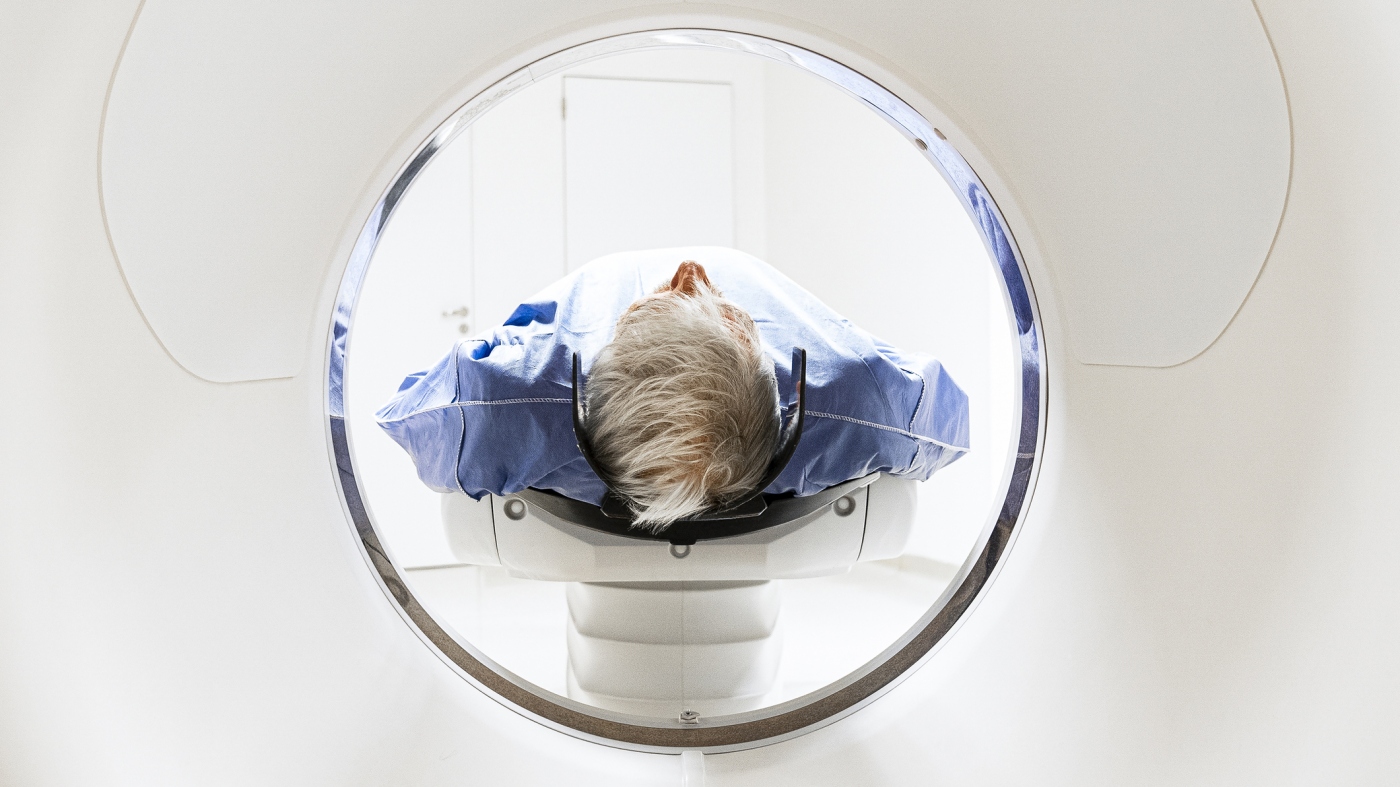
There is increasing public demand for preventative full-body scans using magnetic resonance imaging (MRI) technology to detect potential medical conditions. Companies like Prenuvo and Ezra are expanding rapidly. The scans, which take about an hour and are reviewed by radiologists, can cost up to $2,500. However, the current surge in interest for these scans is concerning, given the limited evidence of their effectiveness compared to standard preventative measures such as cancer screenings, blood pressure checks, and dental care.

Nearly a quarter of American women between ages 50-74 are not up-to-date with their mammograms, while just under 60% of adults aged 45 to 75 received appropriate screening for colorectal cancer. Around half of people aged 2 and up do not receive regular dental care. Access to primary care, the usual source for preventative care, is also a problem for over 100 million Americans.

Questions are arising about the risks of full-body scans, particularly the risk of false positives, which can lead to unnecessary procedures. No major medical organization recommends these scans. Current overall health care spending in the US is notably high, significantly more than any other country, but only about 3% of these funds are directed towards prevention. Changes are needed, with shifts from disease treatment to prevention, better communication between doctors and health care systems, and improved public engagement advocated.

Vocabulary List

  1. Preventative /pr??v?nt?t?v/ (adjective): Intended to stop something before it happens.
  2. Magnetic resonance imaging (MRI) /mæ??n?t?k ?r?z?n?ns ??m?d???/ (noun): A medical imaging technique used to visualize internal structures.
  3. Radiologists /?re?di??l?d??sts/ (noun): Medical doctors specialized in diagnosing and treating diseases and injuries using medical imaging techniques.
  4. Surge /s?rd?/ (noun): A sudden increase.
  5. Effectiveness /??f?kt?vn?s/ (noun): The degree to which something is successful in producing a desired result.
  6. Mammograms /?mæm???ræmz/ (noun): X-ray images of the breast used to screen for breast cancer.
  7. Colorectal cancer /?ko?l??r?kt?l ?kæns?r/ (noun): Cancer of the colon or rectum, located at the digestive tract’s lower end.
  8. False positives /f?ls ?p?z?t?vz/ (noun): Test results that incorrectly indicate the presence of a condition.
  9. Prevention /pr??v?n??n/ (noun): The action of stopping something from happening or arising.
  10. Public engagement /?p?bl?k ?n??e?d?m?nt/ (noun): Involvement of the general public in decision-making and awareness activities.

Test Your Understanding

Start Quiz

Vocabulary List:
6 words · tap to reveal
ON

AccentSpeed

Preventative/prɪˈvɛntətɪv/adjective
Intended to stop something before it happens.

Effectiveness/ɪˈfɛktɪvnəs/noun
The degree to which something is successful in producing a desired result.

Colorectal/ˌkoʊləˈrɛktəl/adjective
Related to the colon and rectum in the digestive system.

False positives/fɔls ˈpɒzɪtɪvz/noun
Test results that incorrectly indicate the presence of a condition.

Surge/sɜːrdʒ/noun
A sudden increase.

Public engagement/ˈpʌblɪk ɪnˈɡeɪdʒmənt/noun
Involvement of the general public in decision-making and awareness activities.

How much do you know?

What is a concern regarding the current surge in interest for preventative full-body scans using MRI technology?
High cost
Lack of evidence of effectiveness compared to standard preventative measures
Long scanning time
Limited availability
Which age group has a significant number of American women not up-to-date with their mammograms?
18-30
30-45
50-74
75+
What percentage of adults aged 45 to 75 received appropriate screening for colorectal cancer?
20%
40%
60%
80%
What is a major concern regarding access to primary care for preventative care in the US?
High cost
Lack of healthcare facilities
Overpopulation
Problem for over 100 million Americans
What is a risk associated with full body scans using MRI technology?
High radiation exposure
False positives
Increase in insurance premiums
Long waiting times
What percentage of overall healthcare spending in the US is directed towards prevention?
1%
3%
5%
10%
This question is required

Test Your Understanding

Start Quiz
Vocabulary List:
6 words · tap to reveal
ON
AccentSpeed
Preventative/prɪˈvɛntətɪv/adjective
Intended to stop something before it happens.
Effectiveness/ɪˈfɛktɪvnəs/noun
The degree to which something is successful in producing a desired result.
Colorectal/ˌkoʊləˈrɛktəl/adjective
Related to the colon and rectum in the digestive system.
False positives/fɔls ˈpɒzɪtɪvz/noun
Test results that incorrectly indicate the presence of a condition.
Surge/sɜːrdʒ/noun
A sudden increase.
Public engagement/ˈpʌblɪk ɪnˈɡeɪdʒmənt/noun
Involvement of the general public in decision-making and awareness activities.

How much do you know?

What is a concern regarding the current surge in interest for preventative full-body scans using MRI technology?
High cost
Lack of evidence of effectiveness compared to standard preventative measures
Long scanning time
Limited availability
Which age group has a significant number of American women not up-to-date with their mammograms?
18-30
30-45
50-74
75+
What percentage of adults aged 45 to 75 received appropriate screening for colorectal cancer?
20%
40%
60%
80%
What is a major concern regarding access to primary care for preventative care in the US?
High cost
Lack of healthcare facilities
Overpopulation
Problem for over 100 million Americans
What is a risk associated with full body scans using MRI technology?
High radiation exposure
False positives
Increase in insurance premiums
Long waiting times
What percentage of overall healthcare spending in the US is directed towards prevention?
1%
3%
5%
10%
This question is required

Read More