

The U.S. dollar has served as a reliable currency for decades, yet recent economic volatility, sanctions, and tariffs have prompted investors to explore alternatives. Some European officials argue they have a strategy to decrease dependency on the dollar.
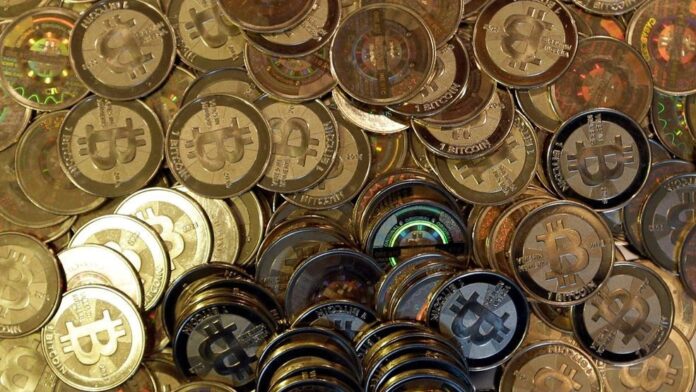
Investors have increasingly turned to gold and silver, seeking safer places for their capital amidst market uncertainties. Bitcoin, once considered a potential alternative, has experienced significant declines, losing almost 50% of its value from peak levels during President Donald Trump’s second term. It currently hovers near $66,000.
The Federal Reserve’s independence has come under scrutiny, contributing to rising gold and silver prices and exerting downward pressure on the dollar. Trump has sought greater influence within the Fed, urging policymakers to lower borrowing rates despite ongoing inflation concerns. Observers worry that tax cuts from last year could further exacerbate the national debt, with interest costs projected to rise dramatically over the next decade. A recent Congressional Budget Office estimate suggested these costs could escalate from $1 trillion in 2026 to approximately $1.8 trillion by 2035, barring significant intervention.
Analysts predict the dollar may weaken further in upcoming months. Cole Smead, a portfolio manager, stated in January that a long-term decline in the dollar’s value is already underway, reminiscent of past market trends.
Since the implementation of stringent tariffs last April, holdings of U.S. treasuries by foreign entities have decreased, reaching $2.7 trillion last October—the lowest since August 2012. China’s treasury holdings have also fallen, with the country now possessing about $683 billion, the lowest level since 2008, while purchasing gold at an increasing rate.
This situation is driving foreign investors and nations to consider alternative payment methods. European transactions often rely on U.S. companies like Visa and Mastercard, which have previously suspended services to nations such as Russia amid political tensions. Christine Lagarde, president of the European Central Bank, emphasised the need for Europe to control its digital payment systems.
In response, major European banks and payment processors have initiated the European Payments Initiative, introducing Wero. This service allows users to send money using just a phone number, bypassing traditional card methods. Currently, Wero boasts over 47 million users in Belgium, France, and Germany, having processed $8.5 billion in transfers.
Despite historical challenges in establishing cross-border payment systems, many believe there is growing interest in alternatives to American payment giants, particularly amid increasing geopolitical uncertainties.
Test Your Understanding
How much do you know?



