The Amazon rainforest spans between 5.5 and 7 million square kilometres, making it the largest tropical rainforest in the world. This vast ecosystem hosts a remarkable variety of life, including 400 mammals, 1,300 birds, and 3,000 fish, as well as at least 40,000 plant species.
Among its inhabitants are notorious predators, including the giant centipede, poison dart frog, and bullet ant, which all pose serious threats to other animals and humans. The Amazonian giant centipede, reaching over 30 centimetres in length, ambushes prey with venom that can be toxic to mammals. Although it has killed a child in the past, bites typically result in severe pain rather than fatality.
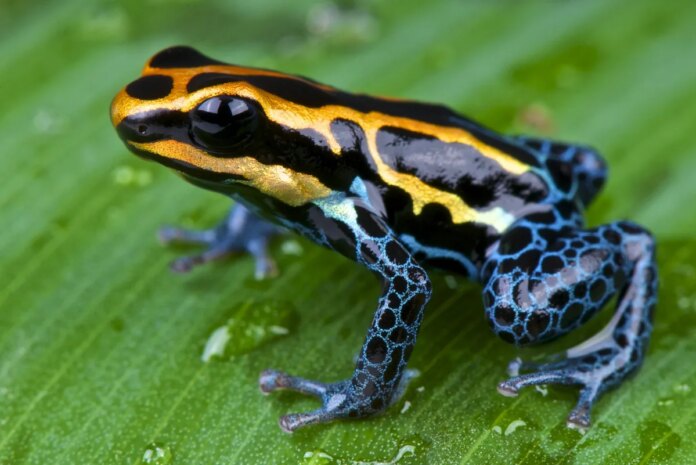
The striking poison dart frog, known for its bright colours, has skin toxins that can range from mild numbing to paralysis or even death. Indigenous tribes historically used these toxins to coat their hunting darts. The bullet ant, measuring around 2.5 centimetres, delivers an excruciating sting likened to a gunshot, resulting in pain that can linger for over 24 hours.
In addition, the green anaconda, the heaviest snake on Earth, can weigh over 250 kilograms and reach lengths of more than 9 metres. This powerful predator hunts primarily in water, using its size to overwhelm large animals.
Although encounters with the bull shark, known for its territorial nature, are statistically rare, they can be found deep in the Amazon River. These carnivorous creatures have an appetite for both freshwater and marine prey.
In summary, the Amazon rainforest is home to many dangerous species, each playing a vital role in its complex ecosystem. Understanding these creatures can help protect this unique environment.
Test Your Understanding
How much do you know?