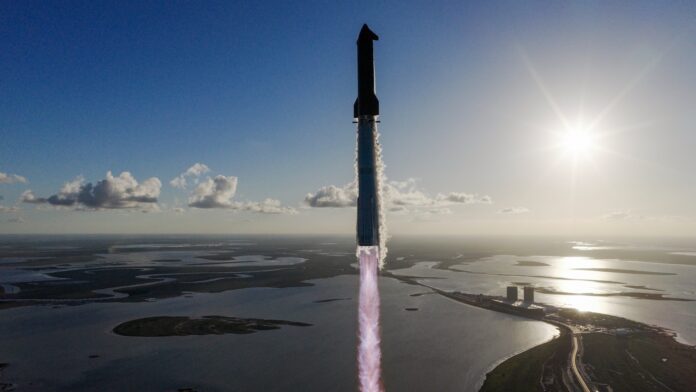
For over six decades, large rockets primarily used a mix of liquid and solid propellants. Refined kerosene was preferred due to its easy handling and safety. Hydrazine was valued for its storage ease, while hydrogen offered efficiency, and solid fuels provided durability and quick launch readiness.
Around 15 years ago, the development of methane-fuelled engines gained momentum. SpaceX and Blue Origin now produce powerful engines, the Raptor and BE-4, each generating more than half a million pounds of thrust. SpaceX’s Starship rocket employs 39 Raptors, whereas Blue Origin’s New Glenn and the United Launch Alliance’s Vulcan use fewer BE-4 engines in their boosters.
These “methalox” engines burn methane with liquid oxygen and have various benefits. Methane is ideal for reusable engines as it creates less soot than kerosene, which powers SpaceX’s Falcon 9 rocket. It also handles better than liquid hydrogen, which can leak easily and requires very low storage temperatures of about minus 423 degrees Fahrenheit (minus 253 degrees Celsius). Although methane is also a cryogenic liquid, it has a higher storage range, between minus 260 and minus 297 degrees Fahrenheit (minus 162 to minus 183 degrees Celsius).
In 2023, a Chinese rocket became the first methane-fuelled launcher to orbit. American companies like Rocket Lab, Stoke Space, and Relativity Space are also developing similar engines for their future vehicles.
However, rocket launches carry risks. The US Space Force and NASA aim to understand how dangers differ from explosions of methalox rockets compared to traditional launches. This research is vital as the frequency of launches increases, with companies planning multiple flights per day from closely positioned launch pads.
Currently, operational or under-construction launch pads for methalox rockets exist at Kennedy Space Center and Cape Canaveral Space Force Station in Florida, Vandenberg Space Force Base in California, and NASA’s Wallops Flight Facility in Virginia. SpaceX continues testing Starship from private land in South Texas, overseen by the Federal Aviation Administration for public safety.
Test Your Understanding
How much do you know?