

Thursday, March 26, 2026

US Router Ban: What You Need to Know

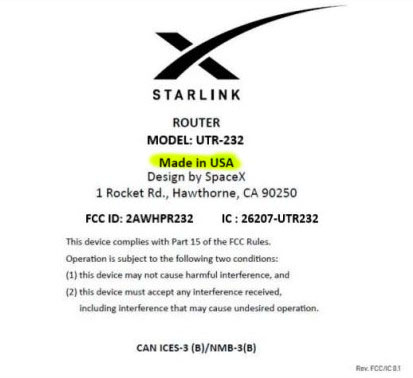
The United States government has enacted a ban on foreign-made consumer Wi-Fi routers due to concerns regarding national security. This decision impacts how users acquire and utilize such devices, drawing significant attention to ongoing debates about cybersecurity and domestic manufacturing.

The Federal Communications Commission (FCC) clarified that existing routers, regardless of their origin, may continue to be used in the United States. Furthermore, consumers are permitted to purchase previously authorised routers. Despite allegations of security vulnerabilities associated with foreign routers, the FCC confirmed no immediate actions are required for consumers currently using these devices.

Government agencies can still use such routers, despite previous investigations into certain manufacturers like TP-Link. The FCC has cited multiple cyberattacks as potential justifications for its decision, including breaches that affected critical infrastructure in the U.S. However, some experts argue that no evidence convincingly demonstrates that foreign-made routers are inherently more vulnerable than domestic products.

The FCC’s regulations primarily prevent future foreign routers that have yet to be manufactured from entering the market, unless granted exemptions. This approach raises questions about the efficacy and necessity of the ban, given that no existing devices are being recalled or modified.

In response to the ban, router manufacturers face critical choices. They may choose to withdraw new products from the U.S. market while continuing to sell older models. Alternatively, firms could seek conditional approval to introduce new devices, although this does not enforce enhanced security standards.

Moving forward, the FCC’s focus will likely encompass the promotion of U.S. manufacturing. Companies will be required to present plans for domestic production alongside their requests for new product approvals, indicating a significant shift in the landscape of router manufacturing and supply chains in the United States.

Test Your Understanding

Start Quiz

Vocabulary List:
6 words · tap to reveal
ON

AccentSpeed

enacted/ɪnˈæktɪd/verb
made into law; officially put into effect

cybersecurity/ˌsaɪbərsɪˈkjʊrəti/noun
work to protect computers and internet systems

vulnerabilities/ˌvʌlnərəˈbɪlətiz/noun
weak parts that can be attacked or harmed

breaches/briːtʃɪz/noun
breaks of security that let attackers in

exemptions/ɪɡˈzɛmpʃənz/noun
official permissions to avoid a rule

domestic/dəˈmɛstɪk/adjective
made or happening inside one country

How much do you know?

What was the reason for the U.S. government's ban on foreign-made consumer Wi-Fi routers?
Economic growth
National security
Environmental concerns
Market competition
Which agency clarified that existing routers can continue to be used in the U.S.?
Federal Trade Commission
Federal Communications Commission
Department of Homeland Security
National Security Agency
What may router manufacturers choose to do in response to the ban?
Only sell new models
Withdraw new products or seek conditional approval
Stop manufacturing routers
Increase prices on existing models
What does the FCC's regulation primarily prevent?
The sale of old routers
The introduction of new foreign routers
The use of existing routers
The import of all Wi-Fi devices
What is a significant requirement for companies seeking new product approvals?
International partnerships
Plans for domestic production
Higher pricing strategies
Increased advertising budgets
Which manufacturer was mentioned in relation to previous investigations by government agencies?
Linksys
Netgear
TP-Link
D-Link
Existing routers can continue to be used in the United States despite the ban.
The FCC confirmed that immediate actions are required for consumers using foreign-made routers.
Foreign-made routers are considered more secure than domestic products according to the FCC.
Router manufacturers are required to seek enhanced security standards for new devices.
The ban on foreign routers affects how consumers acquire new Wi-Fi devices.
The FCC's decision was influenced by concerns of economic implications only.
The United States government has enacted a ban on foreign-made consumer Wi-Fi routers due to concerns regarding national security. This decision impacts how users acquire and utilize such devices, drawing significant attention to ongoing discussions about cybersecurity and .
The Communications Commission clarified that existing routers may continue to be used in the United States.
Experts argue that no evidence convincingly demonstrates that foreign-made routers are inherently more than domestic products.
The FCC's regulations primarily prevent future foreign routers that have yet to be from entering the market.
Moving forward, the FCC's focus will likely encompass the promotion of U.S. .
Companies will be required to present plans for production alongside their requests for new product approvals.
This question is required

Test Your Understanding

Start Quiz
Vocabulary List:
6 words · tap to reveal
ON
AccentSpeed
enacted/ɪnˈæktɪd/verb
made into law; officially put into effect
cybersecurity/ˌsaɪbərsɪˈkjʊrəti/noun
work to protect computers and internet systems
vulnerabilities/ˌvʌlnərəˈbɪlətiz/noun
weak parts that can be attacked or harmed
breaches/briːtʃɪz/noun
breaks of security that let attackers in
exemptions/ɪɡˈzɛmpʃənz/noun
official permissions to avoid a rule
domestic/dəˈmɛstɪk/adjective
made or happening inside one country

How much do you know?

What was the reason for the U.S. government's ban on foreign-made consumer Wi-Fi routers?
Economic growth
National security
Environmental concerns
Market competition
Which agency clarified that existing routers can continue to be used in the U.S.?
Federal Trade Commission
Federal Communications Commission
Department of Homeland Security
National Security Agency
What may router manufacturers choose to do in response to the ban?
Only sell new models
Withdraw new products or seek conditional approval
Stop manufacturing routers
Increase prices on existing models
What does the FCC's regulation primarily prevent?
The sale of old routers
The introduction of new foreign routers
The use of existing routers
The import of all Wi-Fi devices
What is a significant requirement for companies seeking new product approvals?
International partnerships
Plans for domestic production
Higher pricing strategies
Increased advertising budgets
Which manufacturer was mentioned in relation to previous investigations by government agencies?
Linksys
Netgear
TP-Link
D-Link
Existing routers can continue to be used in the United States despite the ban.
The FCC confirmed that immediate actions are required for consumers using foreign-made routers.
Foreign-made routers are considered more secure than domestic products according to the FCC.
Router manufacturers are required to seek enhanced security standards for new devices.
The ban on foreign routers affects how consumers acquire new Wi-Fi devices.
The FCC's decision was influenced by concerns of economic implications only.
The United States government has enacted a ban on foreign-made consumer Wi-Fi routers due to concerns regarding national security. This decision impacts how users acquire and utilize such devices, drawing significant attention to ongoing discussions about cybersecurity and .
The Communications Commission clarified that existing routers may continue to be used in the United States.
Experts argue that no evidence convincingly demonstrates that foreign-made routers are inherently more than domestic products.
The FCC's regulations primarily prevent future foreign routers that have yet to be from entering the market.
Moving forward, the FCC's focus will likely encompass the promotion of U.S. .
Companies will be required to present plans for production alongside their requests for new product approvals.
This question is required

Read More