Wednesday, April 1, 2026

Scientists Drill Deep in Antarctic Ice, Discover Strange Fossils

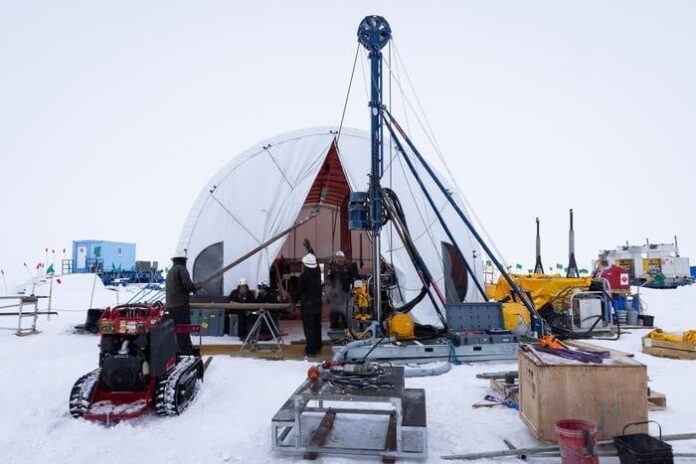
A team of 29 scientists and engineers drilled into the ice in West Antarctica. They lived in tents for almost ten weeks.

The team worked hard to drill 200 meters into bedrock. It was very difficult. After three tries, they finally succeeded.

They pulled up a 228-meter cylinder of mud and rock. This is the deepest sediment core ever taken from under Antarctic ice. The layers inside it are surprising scientists. They show parts of the Earth when temperatures were much warmer.

To reach the sediment, they first melted ice with hot water. Then they used long pipes to collect samples. The finds included both gravel and fine mud. Some layers had marine life, which means there was once an open ocean in this area.

Scientists estimate the core covers around 23 million years. They believe it can show how the ice sheet will react to rising temperatures. The core will now be sent to New Zealand for further study. This work will help people understand future sea-level rise better.


Test Your Understanding

Start Quiz

Vocabulary List:
6 words · tap to reveal
ON

Accent

sediment/ˈsɛdəmənt/noun
small pieces of rock and dirt that settle

bedrock/ˈbɛdˌrɑk/noun
hard rock under the soil or loose rocks

core/kɔɹ/noun
long, round sample taken deep from the ground

marine/məˈriːn/adjective
related to the sea or ocean

estimate/ˈɛstəˌmeɪt/verb
give a likely number or time

react/riˈækt/verb
change in response to something else

How much do you know?

How long did the team live in tents while drilling in Antarctica?
5 weeks
10 weeks
15 weeks
20 weeks
How deep did the team drill into the bedrock?
150 meters
200 meters
250 meters
300 meters
What is the total length of the sediment core pulled up by the team?
200 meters
228 meters
250 meters
300 meters
What did the scientists use to melt the ice in order to reach the sediment?
Cold water
Electric heaters
Hot water
Chemical substances
How many years of Earth history does the sediment core estimate to cover?
5 million years
15 million years
23 million years
50 million years
Where will the sediment core be sent for further study?
Australia
New Zealand
Canada
United States
The team worked for almost ten weeks in Antarctica.
The sediment core taken was the shallowest ever recorded.
The finds included only fine mud with no gravel.
Some layers of the sediment core had signs of marine life.
The core will help understand past sea levels but not future sea-level rise.
The team successfully drilled into bedrock on their first attempt.
The team lived in tents for almost weeks.
The team drilled meters into bedrock.
The sediment core pulled up by the team is meters long.
The sediment core covers around million years.
To collect samples, the team used pipes.
The core will be sent to for further study.
This question is required

Test Your Understanding

Start Quiz
Vocabulary List:
6 words · tap to reveal
ON
Accent
sediment/ˈsɛdəmənt/noun
small pieces of rock and dirt that settle
bedrock/ˈbɛdˌrɑk/noun
hard rock under the soil or loose rocks
core/kɔɹ/noun
long, round sample taken deep from the ground
marine/məˈriːn/adjective
related to the sea or ocean
estimate/ˈɛstəˌmeɪt/verb
give a likely number or time
react/riˈækt/verb
change in response to something else

How much do you know?

How long did the team live in tents while drilling in Antarctica?
5 weeks
10 weeks
15 weeks
20 weeks
How deep did the team drill into the bedrock?
150 meters
200 meters
250 meters
300 meters
What is the total length of the sediment core pulled up by the team?
200 meters
228 meters
250 meters
300 meters
What did the scientists use to melt the ice in order to reach the sediment?
Cold water
Electric heaters
Hot water
Chemical substances
How many years of Earth history does the sediment core estimate to cover?
5 million years
15 million years
23 million years
50 million years
Where will the sediment core be sent for further study?
Australia
New Zealand
Canada
United States
The team worked for almost ten weeks in Antarctica.
The sediment core taken was the shallowest ever recorded.
The finds included only fine mud with no gravel.
Some layers of the sediment core had signs of marine life.
The core will help understand past sea levels but not future sea-level rise.
The team successfully drilled into bedrock on their first attempt.
The team lived in tents for almost weeks.
The team drilled meters into bedrock.
The sediment core pulled up by the team is meters long.
The sediment core covers around million years.
To collect samples, the team used pipes.
The core will be sent to for further study.
This question is required

Read More