The ongoing conflict with Iran is significantly affecting the housing market in the United States, particularly increasing home purchase costs. As energy prices skyrocket due to the war, fears of rising inflation have led to escalating mortgage rates, which now hover around 6.46%, the highest seen in nearly seven months. This development comes after mortgage rates dipped below 6% in late February, underlining the turbulent economic impact of the conflict.
Concerns about the war complicate an already fragile economic situation, particularly as the job market shows signs of weakness. Although mortgage rates remain lower than last year, their recent trend has caused a decline in mortgage applications. Should rates continue to rise, home sales may suffer during the crucial spring buying season.
According to Joel Berner, a senior economist, many potential buyers may hesitate to make purchases, opting instead to wait for more favourable conditions. Despite this uncertainty, buyers who proceed with home purchases now may have greater negotiating power. With many properties remaining on the market for extended periods, sellers may be more inclined to lower their asking prices or offer concessions to secure a sale.
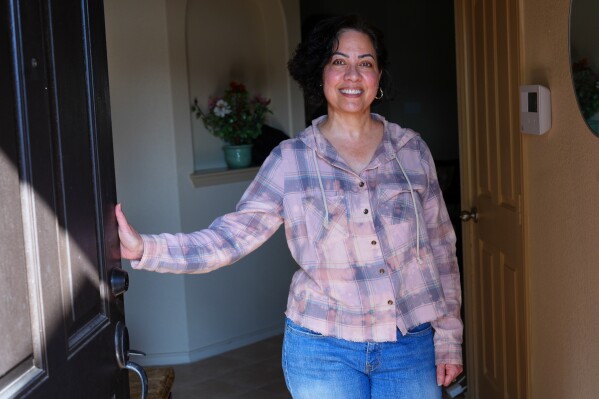
In the Dallas-Fort Worth region, increased housing inventory and competitive listing prices push many sellers to adjust their pricing strategies. For example, homebuyer Anne King successfully negotiated a lower purchase price and received assistance for repairs, as the seller was eager to finalize the sale.
As home listings rise, particularly in major metropolitan areas, buyers may find better deals, although affordability issues persist due to stagnant wages not keeping pace with property prices. Looking ahead, experts suggest that homebuyers should stay vigilant about economic developments that could influence mortgage rates and market dynamics.
Test Your Understanding
How much do you know?