Thursday, July 30, 2026

Spinach Eye Drops May Treat Common Eye Condition

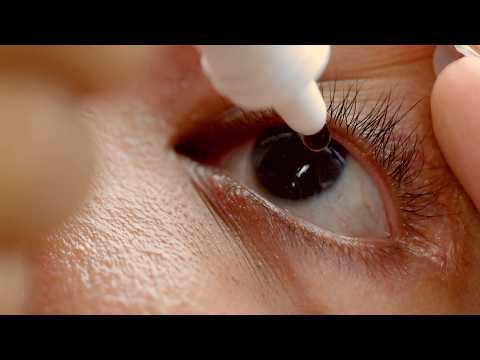
Scientists at the National University of Singapore have adapted photosynthesis, the process plants use to convert sunlight into energy, to treat dry eye syndrome. This condition, causing discomfort to over a billion people globally, might soon have a new treatment option.

Researchers have used photosynthetic components from spinach, applying them as eye drops to human and mice eye cells with dry eye disease. When exposed to light, these components started producing NADPH. This molecule acts like a chemical battery, helping cells fight harmful damage.

NADPH plays a key role in reducing reactive oxygen species (ROS), which cause inflammation and stress in dry eye syndrome. Early results are promising, suggesting that the soreness of dry eyes might be eased through this light-powered solution.

This innovation, named LEAF—light-reaction enriched thylakoid NADPH-foundry—uses components of chloroplasts, the structures responsible for photosynthesis in plants. Spinach was selected for its high chloroplast yield and easy extraction process, making it a cost-effective choice.

In tests, NADPH generated by light reduced ROS activity and helped corneal cells return to a protective state. This approach also showed success with tears from patients suffering from dry eye, decreasing harmful oxidants significantly.

LEAF has potential beyond dry eye treatment, possibly aiding other inflammatory conditions by protecting tissues exposed to light. Though human trials are next, and more research is needed, especially for long-term effects, preparations for clinical trials are underway.

The study was published in the journal Cell.

Test Your Understanding

Start Quiz

Vocabulary List:
6 words · tap to reveal
ON

Accent

photosynthesis/ˌfoʊtoʊˈsɪnθəsɪs/noun
process plants use to make energy from sunlight

syndrome/ˈsɪn.droʊ/noun
group of medical problems that happen together

NADPH/ɛn.eɪ.di.piː.eɪtʃ/noun
small molecule that helps cells protect themselves

inflammation/ˌɪnfləˈmeɪ.ʃən/noun
body's response causing redness, pain, or swelling

oxidants/ˈɑksɪdənts/noun
chemicals that can damage cells by oxygen

chloroplasts/ˈklɔrəˌplæsts/noun
cell parts in plants where photosynthesis happens

How much do you know?

What is the purpose of the LEAF innovation?
To treat dry eye syndrome
To improve photosynthesis in plants
To develop new types of eye drops
To increase spinach production
Which component from spinach was used in the treatment?
Chlorophyll
NADPH
Glucose
Water
What is the full name of the LEAF innovation?
Light-Energy Adapted Formula
Light-Reaction Enhanced Aqueous Fluid
Light-Reaction Enriched Thylakoid NADPH-Foundry
Light-Emitting Aqueous Foundry
What role does NADPH play in the treatment for dry eye syndrome?
It generates light
It acts like a chemical battery
It absorbs carbon dioxide
It enhances tear production
What condition is being treated with the LEAF innovation?
Dry eye syndrome
Conjunctivitis
Glaucoma
Cataract
Which journal published the study on the LEAF innovation?
Science
Nature
Cell
Journal of Eye Research
The LEAF innovation uses components from spinach to treat dry eye syndrome.
Human trials for the LEAF treatment have already been completed.
NADPH helps reduce reactive oxygen species (ROS) in dry eye syndrome.
The LEAF innovation is only designed for eye treatments.
Spinach was chosen for its low chloroplast yield.
Research for the LEAF innovation is still ongoing.
The LEAF innovation adapts to treat dry eye syndrome.
NADPH acts like a chemical battery, helping cells fight harmful .
The study suggests that the treatment of dry eyes could be eased through a solution.
In tests, NADPH generated by light reduced ROS activity and helped corneal cells return to a state.
The LEAF innovation utilizes components of , the structures responsible for photosynthesis.
Preparations for clinical trials of the LEAF innovation are .
This question is required

Test Your Understanding

Start Quiz
Vocabulary List:
6 words · tap to reveal
ON
Accent
photosynthesis/ˌfoʊtoʊˈsɪnθəsɪs/noun
process plants use to make energy from sunlight
syndrome/ˈsɪn.droʊ/noun
group of medical problems that happen together
NADPH/ɛn.eɪ.di.piː.eɪtʃ/noun
small molecule that helps cells protect themselves
inflammation/ˌɪnfləˈmeɪ.ʃən/noun
body's response causing redness, pain, or swelling

oxidants/ˈɑksɪdənts/noun
chemicals that can damage cells by oxygen
chloroplasts/ˈklɔrəˌplæsts/noun
cell parts in plants where photosynthesis happens

How much do you know?

What is the purpose of the LEAF innovation?
To treat dry eye syndrome
To improve photosynthesis in plants
To develop new types of eye drops
To increase spinach production
Which component from spinach was used in the treatment?
Chlorophyll
NADPH
Glucose
Water
What is the full name of the LEAF innovation?
Light-Energy Adapted Formula
Light-Reaction Enhanced Aqueous Fluid
Light-Reaction Enriched Thylakoid NADPH-Foundry
Light-Emitting Aqueous Foundry
What role does NADPH play in the treatment for dry eye syndrome?
It generates light
It acts like a chemical battery
It absorbs carbon dioxide
It enhances tear production
What condition is being treated with the LEAF innovation?
Dry eye syndrome
Conjunctivitis
Glaucoma
Cataract
Which journal published the study on the LEAF innovation?
Science
Nature
Cell
Journal of Eye Research
The LEAF innovation uses components from spinach to treat dry eye syndrome.
Human trials for the LEAF treatment have already been completed.
NADPH helps reduce reactive oxygen species (ROS) in dry eye syndrome.
The LEAF innovation is only designed for eye treatments.
Spinach was chosen for its low chloroplast yield.
Research for the LEAF innovation is still ongoing.
The LEAF innovation adapts to treat dry eye syndrome.
NADPH acts like a chemical battery, helping cells fight harmful .
The study suggests that the treatment of dry eyes could be eased through a solution.
In tests, NADPH generated by light reduced ROS activity and helped corneal cells return to a state.
The LEAF innovation utilizes components of , the structures responsible for photosynthesis.
Preparations for clinical trials of the LEAF innovation are .
This question is required

Read More