Friday, July 10, 2026

Scientists Collect Tephra from Kilauea Volcano Crater

Three scientists from the U.S. Geological Survey (USGS) recently embarked on a mission to gather tephra samples from Kilauea, Hawaii’s most active volcano. This research is crucial as it aims to provide insights into the volcano’s behaviour.

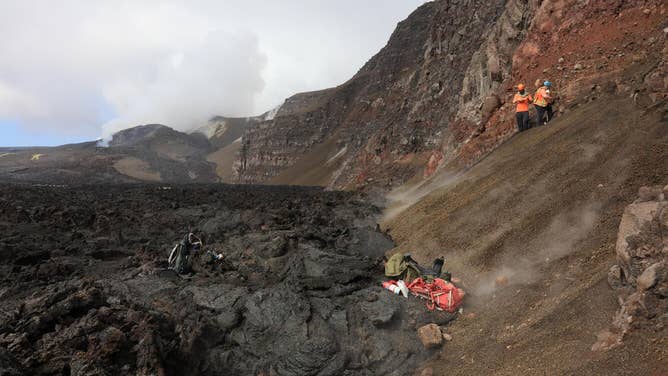
On July 2, the team used a helicopter to access the northwest side of Halema‘uma‘u, a crater located at the summit of Kilauea. Their task was to collect tephra deposits from the crater wall, which had been previously unreachable. Tephra, which refers to materials thrown into the air during a volcanic eruption, varies in size from fine ash to larger volcanic rocks.

The scientists noted that lava flows from ongoing eruptions could soon cover these tephra deposits again. The area they studied has recently changed, allowing them to walk across the crater floor due to rising lava levels.

The collected samples will help the USGS enhance its understanding of Kilauea’s eruption patterns, magma storage, and potential volcanic hazards. Footage from the helicopter mission showed the scientists walking carefully across the tephra and taking samples for analysis.

Kilauea has experienced 50 eruptive events since December 2024. The USGS predicts that the volcano will undergo its 51st eruption between July 11 and July 15. Each episode lasts about 12 hours, with approximately three weeks of calm between them.


Test Your Understanding

Start Quiz

Vocabulary List:
6 words · tap to reveal
ON

Accent

embarked/ɪmˈbɑrkt/verb
started a journey or important activity

tephra/ˈtɛfrə/noun
volcanic material thrown into the air

crater/ˈkreɪtɚ/noun
a large hole at the top of a volcano

magma/ˈmæɡmə/noun
hot liquid rock under the Earth's surface

enhance/ɪnˈhæns/verb
make something better or improve it

hazards/ˈhæzɚdz/noun
things that can cause danger or harm

How much do you know?

What is the name of the volcano the scientists are studying?
Mauna Loa
Kilauea
Mount St. Helens
Mount Merapi
What date did the team access the northwest side of Halema‘uma‘u?
July 2
July 1
July 11
July 15
What type of materials do the scientists collect from Kilauea?
Lava rocks
Tephra
Soil samples
Gas emissions
What is the main purpose of the USGS research on Kilauea?
Assessing water quality
Understanding eruption patterns
Studying wildlife
Mapping geological features
How many eruptive events has Kilauea experienced since December 2024?
25
30
50
75
The USGS predicts Kilauea's 51st eruption will occur between which dates?
June 1 and June 5
July 1 and July 5
July 11 and July 15
August 1 and August 5
The scientists used a boat to access the crater at Kilauea.
Tephra is only made up of fine ash.
The research aims to improve understanding of potential volcanic hazards.
Kilauea is considered one of the most active volcanoes in the world.
The scientists walked across the crater floor due to lower lava levels.
Each eruptive episode at Kilauea lasts approximately 12 hours.
The team gathered tephra samples from Kilauea, Hawaii's most active volcano, on July 2 and used a helicopter to access the .
Tephra materials can vary in size from fine ash to larger .
The area studied by the scientists has changed, allowing them to walk across the crater floor due to rising levels.
The collected samples will help the USGS enhance understanding of Kilauea's eruption , magma storage, and potential volcanic hazards.
Kilauea has experienced 50 eruptive events since December .
The USGS predicts that Kilauea's next eruption will occur between July 11 and July .
This question is required

Test Your Understanding

Start Quiz
Vocabulary List:
6 words · tap to reveal
ON
Accent
embarked/ɪmˈbɑrkt/verb
started a journey or important activity
tephra/ˈtɛfrə/noun
volcanic material thrown into the air
crater/ˈkreɪtɚ/noun
a large hole at the top of a volcano
magma/ˈmæɡmə/noun
hot liquid rock under the Earth's surface
enhance/ɪnˈhæns/verb
make something better or improve it
hazards/ˈhæzɚdz/noun
things that can cause danger or harm

How much do you know?

What is the name of the volcano the scientists are studying?
Mauna Loa
Kilauea
Mount St. Helens
Mount Merapi
What date did the team access the northwest side of Halema‘uma‘u?
July 2
July 1
July 11
July 15
What type of materials do the scientists collect from Kilauea?
Lava rocks
Tephra
Soil samples
Gas emissions
What is the main purpose of the USGS research on Kilauea?
Assessing water quality
Understanding eruption patterns
Studying wildlife
Mapping geological features
How many eruptive events has Kilauea experienced since December 2024?
25
30
50
75
The USGS predicts Kilauea's 51st eruption will occur between which dates?
June 1 and June 5
July 1 and July 5
July 11 and July 15
August 1 and August 5
The scientists used a boat to access the crater at Kilauea.
Tephra is only made up of fine ash.
The research aims to improve understanding of potential volcanic hazards.
Kilauea is considered one of the most active volcanoes in the world.
The scientists walked across the crater floor due to lower lava levels.
Each eruptive episode at Kilauea lasts approximately 12 hours.
The team gathered tephra samples from Kilauea, Hawaii's most active volcano, on July 2 and used a helicopter to access the .
Tephra materials can vary in size from fine ash to larger .
The area studied by the scientists has changed, allowing them to walk across the crater floor due to rising levels.
The collected samples will help the USGS enhance understanding of Kilauea's eruption , magma storage, and potential volcanic hazards.
Kilauea has experienced 50 eruptive events since December .
The USGS predicts that Kilauea's next eruption will occur between July 11 and July .
This question is required

Read More