

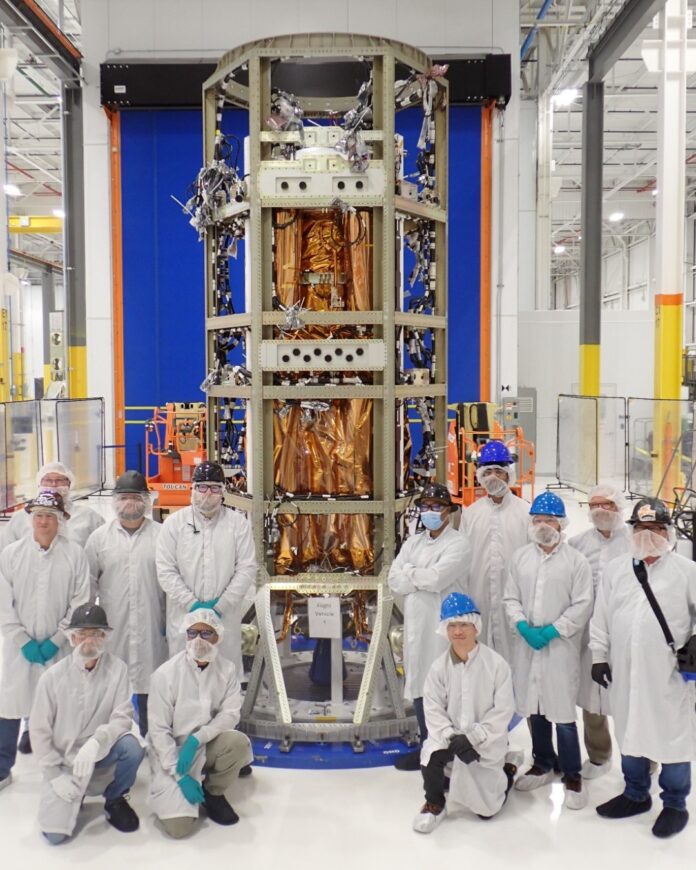
NASA is exploring new possibilities for lunar and interplanetary missions through commercial partnerships. This initiative aims to lower costs and broaden access to space exploration by utilising commercially available spacecraft.
Under the Commercial Lunar Payload Services (CLPS) programme, NASA plans to procure missions from private companies that develop landers and orbiters for future explorations. These missions intend to deliver NASA-owned scientific instruments to the Moon, paving the way for subsequent human missions. Mars is viewed as the logical next target for this model, as it may harness similar commercial capabilities.
The excitement surrounding the potential of private enterprises is palpable. Many suggest that the same approach could facilitate the deployment of scientific instruments across various destinations. NASA’s focus on “block buys,” or bulk purchases, may streamline the procurement process for upcoming lunar missions.
Key players in the CLPS programme include Firefly Aerospace, Intuitive Machines, Astrobotic, and Blue Origin, founded by Jeff Bezos. These companies are also developing enhancements for human-rated lunar landers alongside SpaceX. Other firms, such as K2 Space and Rocket Lab, are advancing mass-produced satellite platforms for both terrestrial and deep-space applications. The US military and private sectors serve as primary clients; however, NASA stands to gain from these innovations.
Blue Origin’s Blue Ring is a notable example, described as a high-powered spacecraft capable of utilising both solar electric and chemical propulsion. This versatility allows it to perform various tasks involving payload deployment around Earth, the Moon, and beyond, all while maintaining reduced operational costs.
Future missions may see Blue Ring being employed to place multiple small satellites to identify resources on asteroids, illustrating the innovative potential of the commercial sector in facilitating space exploration.
Test Your Understanding
How much do you know?