Warning: foreach() argument must be of type array|object, false given in /home/u750883576/domains/esl-news.com/public_html/wp-content/plugins/gpt-post-quiz/includes/admin/class-gpoq-admin-4.php on line 450
Warning: foreach() argument must be of type array|object, false given in /home/u750883576/domains/esl-news.com/public_html/wp-content/plugins/td-composer/legacy/common/wp_booster/td_menu.php on line 88
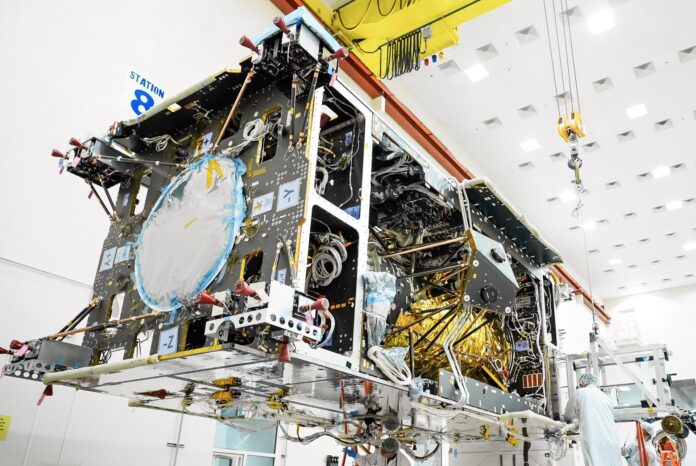
A new nuclear-electric propulsion system, called SR-1, will replace solar power with electricity from a nuclear reactor to energise plasma thrusters. This system aims to improve efficiency in space travel.
Isaacman, a key figure in the project, explained that SR-1 does not seek billions of dollars for a new mission. He emphasised the project will use existing hardware, including a reactor that is mostly built. This approach saves time and money, as some costs for the fuel have already been paid.
NASA has not announced how much the SR-1 mission will cost. Isaacman mentioned that proving nuclear propulsion can work may lead to more funding in the future. Sinacore, another project leader, highlighted that SR-1 mainly adds the nuclear reactor to an already existing spacecraft design. The timeline aims for launches during the next Mars opportunity in December 2028, which is critical based on orbital mechanics.
Preparing for a large space mission like this is challenging. Sinacore pointed out that they need to avoid “mission creep,” which means keeping the project focused on its main goals. The timeline includes completing mission design by June and starting assembly in early 2028. If they miss the 2028 launch, the next chance won’t be until 2031.
NASA will lead the SR-1 project, but launching radioactive fuel into space requires coordination with various federal agencies, including the Department of Energy. Selected rockets must also pass special certification for nuclear launch missions.