

Researchers in South Korea have discovered that a bacterium from kimchi, a traditional fermented dish, could help remove nanoplastics from the human body. The study, carried out by the World Institute of Kimchi, found that this microbe can attach to nanoplastics in the gut, potentially aiding in their elimination.
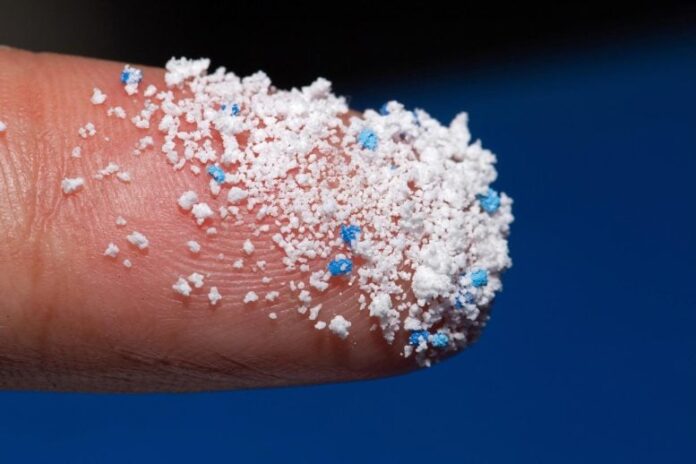
Nanoplastics are tiny particles less than 1 micrometer in size, formed as larger plastics break down. They, along with microplastics, are commonly found in food and water, prompting concerns about health impacts as they might accumulate in organs like the brain and kidneys.
The team, led by Drs. Se Hee Lee and Tae Woong Whon, studied a specific lactic acid bacterium from kimchi, called Leuconostoc mesenteroides CBA3656, which binds to polystyrene nanoplastics in experiments. This bacterium managed to retain a high binding rate under conditions similar to the human intestine, unlike a reference strain.
Experiments with mice showed promising results; those given the kimchi-derived bacteria excreted more nanoplastics compared to those that did not receive probiotics, suggesting the probiotic’s potential effectiveness.
The findings indicate that kimchi’s lactic acid bacteria could interact with environmental toxins and offer a new method to tackle nanoplastic pollution within the body. Dr. Lee highlighted the potential of using microorganisms from fermented foods to address this challenge and expressed plans to continue exploring kimchi’s scientific value for health and environmental solutions.