

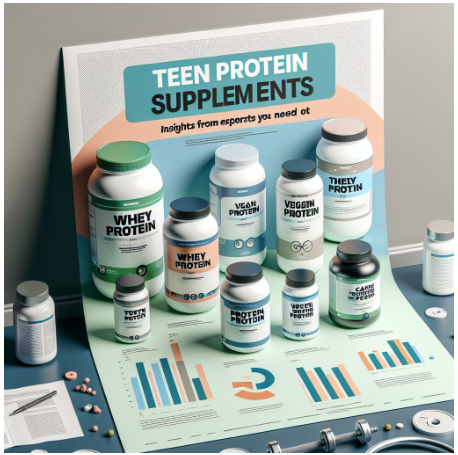
The use of protein shakes, bars, powders, and other supplements appears to be a convenient solution for those wishing to increase their protein consumption. However, pediatricians express concerns that teenagers may be becoming overly reliant on these supplements.
According to a recent C.S. Mott Children’s Hospital National Poll, two in five parents reported that their teenagers consumed protein supplements in the past year, with boys being more likely than girls to use them frequently.
Notably, over half of parents whose teenage sons consumed protein supplements indicated this was for muscle gain, while a significant number of parents of teenage daughters noted their daughters often used these products for weight loss or meal replacement.
“Marketing can create the illusion that higher protein content equates to a healthier product, but that notion is misleading,” remarked Sarah Clark, a co-director of the Mott Poll.
Instead, Clark suggests that parents and teenagers should opt for balanced products that boast a blend of protein, vital nutrients, and fiber, while minimizing added sugars and caffeine.
Eating and Maintaining a Balanced Diet
It’s essential to remember that spreading protein intake throughout the day is generally more beneficial than consuming it all at once, Clark emphasized.
A well-rounded meal should incorporate a variety of proteins, carbohydrates, healthy fats, fiber, vitamins, and minerals, sourced from the five major food groups, including fruits, vegetables, and dairy.
Furthermore, achieving balanced nutrition is not solely reliant on diet; adequate sleep and hydration are also crucial for recovery and overall well-being, Schnee noted.
Test Your Understanding
How much do you know?