Saturday, April 25, 2026

Scientists Develop Plastic Film to Dismantle Viruses

Every day, we touch many surfaces, from kitchen counters to public transport handrails. This constant contact can spread harmful viruses and germs quickly. Typically, people become infected by touching contaminated surfaces and then touching their face.

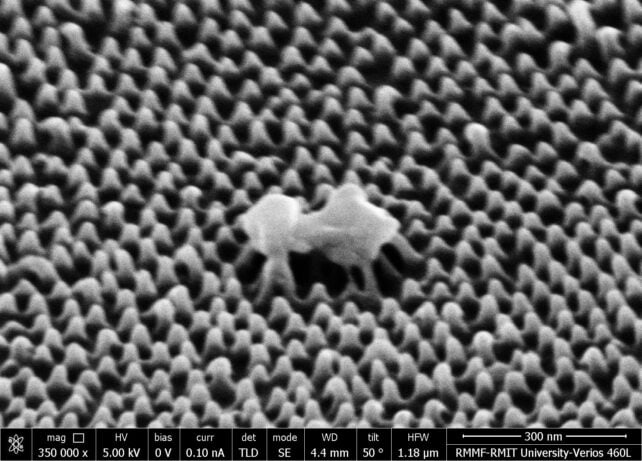
While chemical cleaners can disinfect surfaces, they often lose effectiveness, harm the environment, or contribute to antimicrobial resistance. In response, researchers have developed a novel plastic surface with tiny features that mimic insect wings. This design can physically damage such viruses as human parainfluenza virus type 3 (hPIV-3).

The new material is cost-effective and scalable, making it suitable for use on commonly handled items like mobile phones and hospital equipment. Traditional cleaning methods involve applying disinfectant, which must remain wet for a certain time to be effective. However, this can be impractical, especially in busy environments, and surfaces can become recontaminated quickly.

Previous antiviral methods have involved adding materials like graphene to protective gear. While effective, these approaches can pose health and environmental risks, as they may leach harmful chemicals and diminish in effectiveness over time.

This latest research, which took over a decade to develop, focused on creating a lightweight and flexible surface that could burst viruses. The innovative material features thousands of tiny pillars that stretch viral membranes until they rupture, effectively killing the viruses.

Laboratory tests showed that up to 94% of hPIV-3 particles were destroyed within an hour of contact with the material. The design can be readily scaled for various industries, including food packaging and healthcare. Although challenges remain in creating completely germ-free surfaces, these nanotextured materials present a promising alternative to traditional chemical methods.

Test Your Understanding

Start Quiz

Vocabulary List:
6 words · tap to reveal
ON

Accent

contaminated/kənˈtæməˌneɪtɪd/adjective
having dirt or germs that cause harm

disinfectant/ˌdɪsənˈfɛktənt/noun
chemical that kills germs on surfaces

antimicrobial/ˌæntimɪˈkroʊbiəl/adjective
stops or kills tiny living germs or bacteria

scalable/ˈskeɪləbəl/adjective
able to grow or be made larger easily

mimic/ˈmɪmɪk/verb
to copy the appearance or action of something

nanotextured/ˈnænoʊˌtɛkstʃərd/adjective
having very small raised or patterned surface details

How much do you know?

What can spread harmful viruses and germs quickly?
Disinfectants
Plastic surfaces
Constant contact with surfaces
Insect wings
What is one disadvantage of chemical cleaners?
They are always effective
They can contribute to antimicrobial resistance
They are environmentally friendly
They are not widely used
What type of virus can the new material effectively damage?
Influenza A
Human parainfluenza virus type 3
COVID-19
Ebola virus
What aspect is crucial for traditional cleaning methods to be effective?
Applying heat
Keeping surfaces dry
Disinfectant must remain wet for a certain time
Using natural cleaners
How long did the development of the latest research take?
A few months
Over a decade
Two years
Five years
What do the tiny pillars in the new material do?
Clean surfaces
Stretch viral membranes until they rupture
Absorb liquids
Release disinfectant
The new material is not suitable for use on mobile phones.
Laboratory tests showed that 94% of hPIV-3 particles were destroyed within an hour of contact with the material.
Chemical cleaners are always effective on all surfaces.
Previous antiviral methods involved adding materials like graphene to protective gear.
Nanotextured materials provide a poor alternative to traditional chemical methods.
Surfaces can become recontaminated quickly after being cleaned.
The new material is cost-effective and for use on commonly handled items.
Traditional cleaning methods require the disinfectant to remain wet for a certain to be effective.
The innovative material features thousands of tiny pillars that viral membranes until they rupture.
Previous antiviral methods can pose health and environmental by leaching harmful chemicals.
While chemical cleaners can disinfect surfaces, they often lose and harm the environment.
This research focused on creating a lightweight and surface that could burst viruses.
This question is required

Test Your Understanding

Start Quiz
Vocabulary List:
6 words · tap to reveal
ON
Accent
contaminated/kənˈtæməˌneɪtɪd/adjective
having dirt or germs that cause harm
disinfectant/ˌdɪsənˈfɛktənt/noun
chemical that kills germs on surfaces
antimicrobial/ˌæntimɪˈkroʊbiəl/adjective
stops or kills tiny living germs or bacteria
scalable/ˈskeɪləbəl/adjective
able to grow or be made larger easily
mimic/ˈmɪmɪk/verb
to copy the appearance or action of something
nanotextured/ˈnænoʊˌtɛkstʃərd/adjective
having very small raised or patterned surface details

How much do you know?

What can spread harmful viruses and germs quickly?
Disinfectants
Plastic surfaces
Constant contact with surfaces
Insect wings
What is one disadvantage of chemical cleaners?
They are always effective
They can contribute to antimicrobial resistance
They are environmentally friendly
They are not widely used
What type of virus can the new material effectively damage?
Influenza A
Human parainfluenza virus type 3
COVID-19
Ebola virus
What aspect is crucial for traditional cleaning methods to be effective?
Applying heat
Keeping surfaces dry
Disinfectant must remain wet for a certain time
Using natural cleaners
How long did the development of the latest research take?
A few months
Over a decade
Two years
Five years
What do the tiny pillars in the new material do?
Clean surfaces
Stretch viral membranes until they rupture
Absorb liquids
Release disinfectant
The new material is not suitable for use on mobile phones.
Laboratory tests showed that 94% of hPIV-3 particles were destroyed within an hour of contact with the material.
Chemical cleaners are always effective on all surfaces.
Previous antiviral methods involved adding materials like graphene to protective gear.
Nanotextured materials provide a poor alternative to traditional chemical methods.
Surfaces can become recontaminated quickly after being cleaned.
The new material is cost-effective and for use on commonly handled items.
Traditional cleaning methods require the disinfectant to remain wet for a certain to be effective.
The innovative material features thousands of tiny pillars that viral membranes until they rupture.
Previous antiviral methods can pose health and environmental by leaching harmful chemicals.
While chemical cleaners can disinfect surfaces, they often lose and harm the environment.
This research focused on creating a lightweight and surface that could burst viruses.
This question is required

Read More