Thursday, June 18, 2026

Pacific Islanders Hold Ancient Genome Record and Denisovan DNA

The people of Near Oceania have a genetic history that dates back nearly 42,000 years, highlighting one of the earliest human expansions into the Pacific. A recent study reveals significant details about their genetic legacy, including a wealth of Denisovan DNA. Researchers discovered that the ancestors of today’s Oceanians interbred with at least three different Denisovan-like groups, indicating a complex web of ancient interactions.

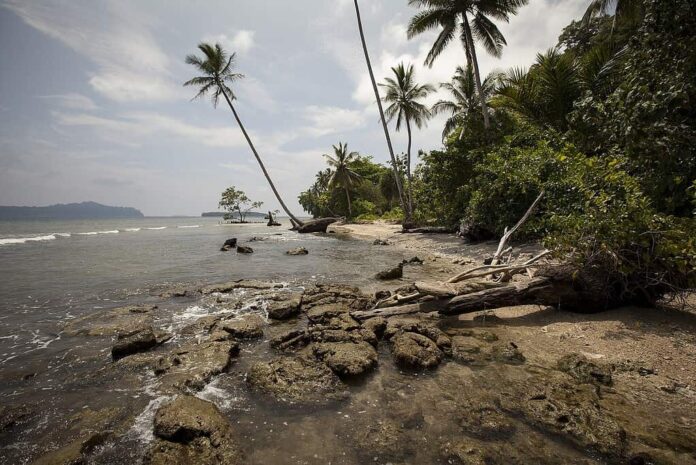
Around 42,000 years ago, humans reached what is now New Guinea, the Bismarck Archipelago, and the Solomon Islands. For thousands of years, these communities were isolated by sea and mountains, which limited their movement. This isolation led to the development of multiple languages, while, within their DNA, remnants of extinct human relatives persisted.

The study, published in Science, analysed 177 genomes from various Near Oceanian populations. This research found that these genomes contain some of the highest levels of archaic DNA globally, with Oceanians possessing about 2.5 times more than Europeans and significantly more Denisovan DNA than East Asians.

Denisovans, relatives of Neanderthals, are known primarily through genetic evidence rather than extensive fossils. The new findings suggest that Near Oceanians inherited gene sequences from multiple Denisovan-like populations, expanding our understanding of genetic interaction between ancient humans.

The implications of this study are numerous. It reveals that our ancestors did not merely replace their predecessors but intermingled with them. This interconnected history can also influence medical research, as current biobanks often overlook Oceanian genetic diversity, potentially missing important health-related variants.

Test Your Understanding

Start Quiz

Vocabulary List:
6 words · tap to reveal
ON

Accent

genetic/dʒəˈnɛtɪk/adjective
about genes and how they are passed

legacy/ˈlɛɡəsi/noun
things left by people or events from before

interbred/ˌɪntɚˈbrɛd/verb
mated and had children with another group

isolated/ˈaɪsəˌleɪtɪd/adjective
kept apart from others by distance or barriers

remnants/ˈrɛmənənts/noun
small parts left from something earlier

archaic/ɑrˈkeɪɪk/adjective
very old and from long ago

How much do you know?

How long ago does the genetic history of the people of Near Oceania date back?
10,000 years
20,000 years
30,000 years
42,000 years
What DNA did researchers find a wealth of in Oceanians?
Neanderthal DNA
Modern human DNA
Denisovan DNA
Archaic human DNA
Which publication featured the study on Near Oceanian genomes?
Nature
Cell
Science
Nature Genetics
How many genomes were analyzed in the study?
177
300
150
200
How much more archaic DNA do Oceanians have compared to Europeans?
1.5 times
2 times
2.5 times
3 times
What geographical areas did humans reach around 42,000 years ago?
Pacific Islands
New Guinea, Bismarck Archipelago, Solomon Islands
Australia and New Zealand
South America
Researchers found that the ancestors of modern Oceanians interbred with at least three different Denisovan-like groups.
Denisovans are primarily known through extensive fossil records.
The isolation of Near Oceanian communities led to a development of multiple languages.
Current biobanks often recognize Oceanian genetic diversity.
Near Oceanians inherited gene sequences from only one Denisovan-like population.
The study suggests our ancestors replaced their predecessors without intermingling.
Around 42,000 years ago, humans reached New Guinea.
Oceanians possess about times more archaic DNA than Europeans.
The study revealed the presence of Denisovan DNA and levels of archaic DNA globally.
The interconnected history can influence research.
The study indicates that the ancestors of Oceanians did not merely replace their but intermingled with them.
Remnants of extinct human persisted within the DNA of ancient Oceanians.
This question is required

Test Your Understanding

Start Quiz
Vocabulary List:
6 words · tap to reveal
ON
Accent
genetic/dʒəˈnɛtɪk/adjective
about genes and how they are passed
legacy/ˈlɛɡəsi/noun
things left by people or events from before
interbred/ˌɪntɚˈbrɛd/verb
mated and had children with another group
isolated/ˈaɪsəˌleɪtɪd/adjective
kept apart from others by distance or barriers
remnants/ˈrɛmənənts/noun
small parts left from something earlier
archaic/ɑrˈkeɪɪk/adjective
very old and from long ago

How much do you know?

How long ago does the genetic history of the people of Near Oceania date back?
10,000 years
20,000 years
30,000 years
42,000 years
What DNA did researchers find a wealth of in Oceanians?
Neanderthal DNA
Modern human DNA
Denisovan DNA
Archaic human DNA
Which publication featured the study on Near Oceanian genomes?
Nature
Cell
Science
Nature Genetics
How many genomes were analyzed in the study?
177
300
150
200
How much more archaic DNA do Oceanians have compared to Europeans?
1.5 times
2 times
2.5 times
3 times
What geographical areas did humans reach around 42,000 years ago?
Pacific Islands
New Guinea, Bismarck Archipelago, Solomon Islands
Australia and New Zealand
South America
Researchers found that the ancestors of modern Oceanians interbred with at least three different Denisovan-like groups.
Denisovans are primarily known through extensive fossil records.
The isolation of Near Oceanian communities led to a development of multiple languages.
Current biobanks often recognize Oceanian genetic diversity.
Near Oceanians inherited gene sequences from only one Denisovan-like population.
The study suggests our ancestors replaced their predecessors without intermingling.
Around 42,000 years ago, humans reached New Guinea.
Oceanians possess about times more archaic DNA than Europeans.
The study revealed the presence of Denisovan DNA and levels of archaic DNA globally.
The interconnected history can influence research.
The study indicates that the ancestors of Oceanians did not merely replace their but intermingled with them.
Remnants of extinct human persisted within the DNA of ancient Oceanians.
This question is required

Read More