

Sunday, August 2, 2026

Pacific Islanders Found to Have Ancient Human Genome

The inhabitants of Near Oceania possess a genetic heritage that dates back nearly 42,000 years to some of the earliest settlers of the Pacific. This lineage has remained largely isolated over millennia, thereby preserving crucial records of ancient migrations and interactions with now-extinct human relatives. Recent research has provided an unprecedented examination of this genetic history, revealing substantial Denisovan DNA and indicating that the ancestors of modern Oceanians interbred with at least three distinct Denisovan-like groups.

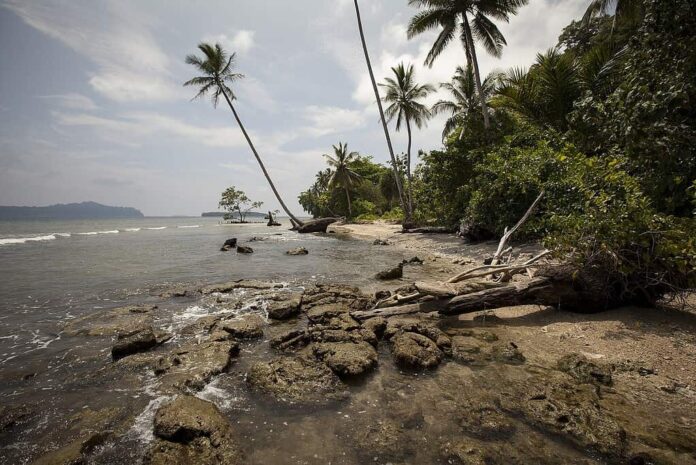
Approximately 42,000 years ago, humans arrived in regions such as New Guinea, the Bismarck Archipelago, and the Solomon Islands, where they remained isolated due to natural barriers. Geographical challenges, including mountains, led to the development of diverse languages as populations evolved separately. However, within their genomes, remnants of extinct human lineage have persisted.

In a study published in Science, researchers analysed 177 high-coverage genomes from 12 Near Oceanian groups, comparing them with over a thousand global genomes. The findings suggested that individuals from Near Oceania exhibit the highest known levels of archaic DNA today. These genomes contained roughly 2.5 times more archaic sequences compared to European genomes, and one group displayed about 25 times the Denisovan legacy found in average East Asian genomes.

The Denisovans, an extinct group of closely related human ancestors whose remains were first identified in Denisova Cave, have largely been studied through their genetic contributions to modern populations. Unlike Neanderthals, the Denisovans left behind few fossils, yet their genetic impact is profound, particularly in Asia and Oceania, influencing traits such as immunity and adaptation.

The study indicated that the ancestral lineage of Near Oceanians engaged with multiple Denisovan-like populations rather than a single encounter, hinting at an intricate history of interaction that remains largely unknown. While not all inherited archaic DNA is beneficial, some variants appear to have provided advantages in areas such as immunity and metabolism.

This research alters the narrative around the Denisovan legacy, suggesting involvement from multiple groups rather than a singular population. Furthermore, it implies a complex interdependence between species rather than mere replacement during human evolution.

The implications extend to the realm of medicine, as many existing clinical datasets do not adequately represent Oceanian peoples. Current biobanks often overlook crucial Denisovan-derived variants, which could hold significance for understanding disease susceptibility and treatment responses. The findings underscore the necessity of incorporating diverse genetic backgrounds into medical research to gain a broader understanding of human health and disease.

Test Your Understanding

Start Quiz

Vocabulary List:
6 words · tap to reveal
ON

Accent

lineage/ˈlɪn.i.ɪdʒ/noun
family line that goes back many generations

isolated/ˈaɪ.səˌleɪ.tɪd/adjective
separated from others; with little contact

interbred/ˌɪn.tɚˈbrɛd/verb
had children with members of another group

archaic/ɑrˈkeɪ.ɪk/adjective
very old; from a much earlier time

genomes/ˈdʒiː.noʊmz/noun
all the genetic information in a living being

variants/ˈvɛr.i.ənts/noun
different forms of a gene or trait

How much do you know?

How many years ago did humans arrive in regions like New Guinea and the Solomon Islands?
20,000
30,000
42,000
50,000
What significant genetic contribution is found in the genomes of Near Oceanians?
Neanderthal DNA
Denisovan DNA
Homo Erectus DNA
Australopithecus DNA
In how many groups did researchers analyze high-coverage genomes?
10
12
15
20
What publication featured the study on Near Oceania's genetic heritage?
Nature
Science
Cell
The Lancet
How much more archaic DNA do Near Oceanians have compared to European genomes?
1.5 times
2 times
2.5 times
3 times
Which group displayed the highest Denisovan legacy compared to East Asians?
Australians
Melanesians
Polynesians
Micronesians
Denisovans are a group of extinct human ancestors known primarily through their fossil records.
The ancestors of modern Oceanians interbred with multiple distinct Denisovan-like groups.
Near Oceania's inhabitants have a very recent genetic heritage.
The study indicated a simple history of interaction between species in human evolution.
Many clinical datasets adequately represent Oceanian peoples.
Some inherited archaic DNA variants may have provided advantages in immunity.
The inhabitants of Near Oceania possess a genetic heritage that dates back nearly 42,000 years to some of the earliest settlers of the .
Near Oceanians engage with multiple Denisovan-like populations, indicating an intricate history of .
This research highlights the necessity of incorporating diverse genetic into medical research.
The Denisovan legacy suggests involvement from multiple groups rather than a population.
High-coverage genomes from Near Oceania contained about 2.5 times more archaic compared to European genomes.
The genetic impact of Denisovans influences traits such as immunity and .
This question is required

Test Your Understanding

Start Quiz
Vocabulary List:
6 words · tap to reveal
ON
Accent
lineage/ˈlɪn.i.ɪdʒ/noun
family line that goes back many generations
isolated/ˈaɪ.səˌleɪ.tɪd/adjective
separated from others; with little contact
interbred/ˌɪn.tɚˈbrɛd/verb
had children with members of another group
archaic/ɑrˈkeɪ.ɪk/adjective
very old; from a much earlier time
genomes/ˈdʒiː.noʊmz/noun
all the genetic information in a living being
variants/ˈvɛr.i.ənts/noun
different forms of a gene or trait

How much do you know?

How many years ago did humans arrive in regions like New Guinea and the Solomon Islands?
20,000
30,000
42,000
50,000
What significant genetic contribution is found in the genomes of Near Oceanians?
Neanderthal DNA
Denisovan DNA
Homo Erectus DNA
Australopithecus DNA
In how many groups did researchers analyze high-coverage genomes?
10
12
15
20
What publication featured the study on Near Oceania's genetic heritage?
Nature
Science
Cell
The Lancet
How much more archaic DNA do Near Oceanians have compared to European genomes?
1.5 times
2 times
2.5 times
3 times
Which group displayed the highest Denisovan legacy compared to East Asians?
Australians
Melanesians
Polynesians
Micronesians
Denisovans are a group of extinct human ancestors known primarily through their fossil records.
The ancestors of modern Oceanians interbred with multiple distinct Denisovan-like groups.
Near Oceania's inhabitants have a very recent genetic heritage.
The study indicated a simple history of interaction between species in human evolution.
Many clinical datasets adequately represent Oceanian peoples.
Some inherited archaic DNA variants may have provided advantages in immunity.
The inhabitants of Near Oceania possess a genetic heritage that dates back nearly 42,000 years to some of the earliest settlers of the .
Near Oceanians engage with multiple Denisovan-like populations, indicating an intricate history of .
This research highlights the necessity of incorporating diverse genetic into medical research.
The Denisovan legacy suggests involvement from multiple groups rather than a population.
High-coverage genomes from Near Oceania contained about 2.5 times more archaic compared to European genomes.
The genetic impact of Denisovans influences traits such as immunity and .
This question is required

Read More