Saturday, August 1, 2026

Scientists Uncover Gluten’s Impact on Gut Health

Celiac disease is a serious condition that lasts for life. It happens when the body’s immune system attacks the small intestine after eating gluten, a protein found in wheat, barley, and rye. People with celiac disease must avoid these foods to stay healthy.

Researchers from the University of Rome Tor Vergata studied over 100 past studies to understand how celiac disease happens. They found that genetics play a part, but other factors also contribute. Certain proteins in gluten can confuse the immune system, making it attack the body’s own tissues instead.

One important enzyme called tissue transglutaminase 2 (TG2) normally helps break down gluten. However, in some people, this can cause the immune system to react strongly. This leads to damage in the gut lining, causing symptoms like stomach pain and diarrhea.

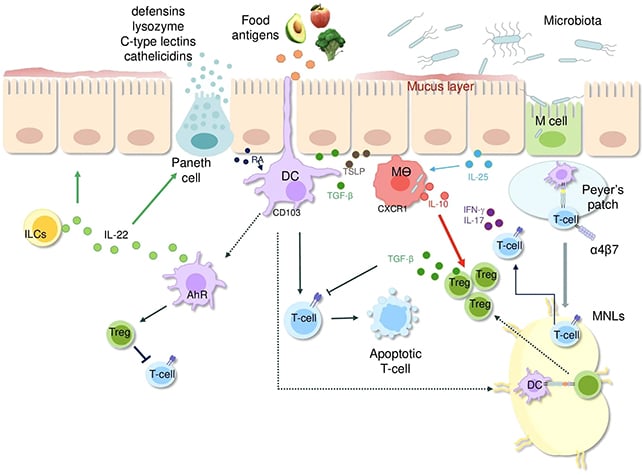
The research also shows that the balance of bacteria in the gut is important. If this balance is disrupted, it can increase the risk of developing celiac disease. The study suggests that understanding these processes better may lead to new treatments in the future, beyond just avoiding gluten. This is important as around 1 in 100 people have celiac disease.


Test Your Understanding

Start Quiz

Vocabulary List:
6 words · tap to reveal
ON

Accent

immune/ɪˈmjun/adjective
not easily hurt by infections or disease

intestine/ɪnˈtɛstən/noun
long tube in the body that digests food

gluten/ˈɡluːtən/noun
a protein in wheat, barley, and rye

genetics/dʒəˈnɛtɪks/noun
how family traits are passed to children

enzyme/ˈɛnzaɪm/noun
a substance in the body that speeds reactions

bacteria/bækˈtɪriə/noun
very small living things that can cause infection

How much do you know?

What protein is associated with celiac disease?
Casein
Gluten
Lactose
Soy
Which university conducted the research on celiac disease?
Harvard University
University of Rome Tor Vergata
Stanford University
Oxford University
What is the enzyme that helps break down gluten?
Amylase
Pepsin
Tissue transglutaminase 2 (TG2)
Lactase
What happens when the immune system attacks the body's tissues in celiac disease?
It improves digestion
It causes gut damage
It boosts immunity
It reduces inflammation
Approximately how many people are affected by celiac disease?
1 in 50
1 in 100
1 in 200
1 in 500
What can increase the risk of developing celiac disease?
Maintaining a balanced diet
Disrupted balance of gut bacteria
Regular exercise
High fiber intake
Celiac disease only occurs in children.
Celiac disease can be managed by simply avoiding gluten.
Genetics play a role in the development of celiac disease.
Only wheat contains gluten.
Research indicates that new treatments for celiac disease may be developed.
The immune system does not react to gluten in people with celiac disease.
Celiac disease is triggered when the immune system attacks the small intestine after eating .
The enzyme tissue transglutaminase 2 (TG2) helps break down .
If the balance of bacteria in the gut is disrupted, it can increase the risk of developing .
The study analyzed over 100 past studies to understand how celiac disease .
Around 1 in 100 people have .
Symptoms of celiac disease can include stomach pain and .
This question is required

Test Your Understanding

Start Quiz
Vocabulary List:
6 words · tap to reveal
ON
Accent
immune/ɪˈmjun/adjective
not easily hurt by infections or disease
intestine/ɪnˈtɛstən/noun
long tube in the body that digests food
gluten/ˈɡluːtən/noun
a protein in wheat, barley, and rye
genetics/dʒəˈnɛtɪks/noun
how family traits are passed to children
enzyme/ˈɛnzaɪm/noun
a substance in the body that speeds reactions
bacteria/bækˈtɪriə/noun
very small living things that can cause infection

How much do you know?

What protein is associated with celiac disease?
Casein
Gluten
Lactose
Soy
Which university conducted the research on celiac disease?
Harvard University
University of Rome Tor Vergata
Stanford University
Oxford University
What is the enzyme that helps break down gluten?
Amylase
Pepsin
Tissue transglutaminase 2 (TG2)
Lactase
What happens when the immune system attacks the body's tissues in celiac disease?
It improves digestion
It causes gut damage
It boosts immunity
It reduces inflammation
Approximately how many people are affected by celiac disease?
1 in 50
1 in 100
1 in 200
1 in 500
What can increase the risk of developing celiac disease?
Maintaining a balanced diet
Disrupted balance of gut bacteria
Regular exercise
High fiber intake
Celiac disease only occurs in children.
Celiac disease can be managed by simply avoiding gluten.
Genetics play a role in the development of celiac disease.
Only wheat contains gluten.
Research indicates that new treatments for celiac disease may be developed.
The immune system does not react to gluten in people with celiac disease.
Celiac disease is triggered when the immune system attacks the small intestine after eating .
The enzyme tissue transglutaminase 2 (TG2) helps break down .
If the balance of bacteria in the gut is disrupted, it can increase the risk of developing .
The study analyzed over 100 past studies to understand how celiac disease .
Around 1 in 100 people have .
Symptoms of celiac disease can include stomach pain and .
This question is required

Read More