

Celiac disease is a chronic condition characterised by the immune system attacking the small intestine upon the ingestion of gluten, a protein found in wheat, barley, and rye. This situation poses significant health risks for individuals affected by the disease, impacting their ability to consume gluten-containing foods.
A recent in-depth review led by researchers from the University of Rome Tor Vergata has synthesised findings from over 100 studies to elucidate the mechanisms underlying celiac disease. The study aims to clarify how genetic predispositions, combined with additional contributing factors, lead to intestinal damage.
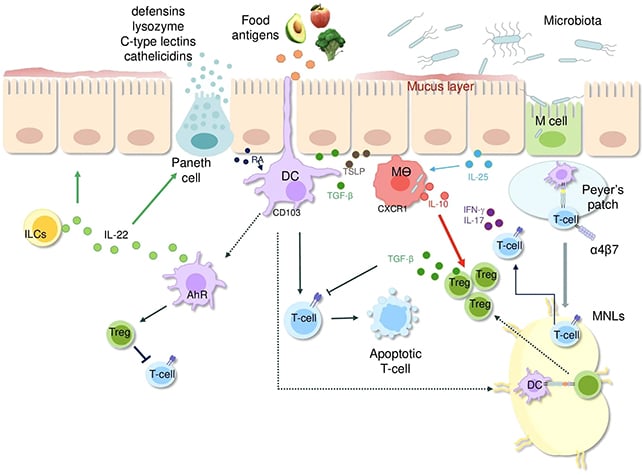
While genetics plays a crucial role in the disease’s onset, the researchers note that not everyone with a genetic risk will develop celiac disease. This suggests the involvement of additional “amplifiers” that might influence its progression. One identified factor is a disruption in the gut’s bacterial balance, essential for a functioning immune response. When this balance is disturbed, the immune system can react violently, harming healthy intestinal tissue in the process.
The enzyme tissue transglutaminase 2 (TG2), which assists in gluten breakdown, can exacerbate the issue. In individuals with certain genetic variants, the by-products of gluten appear as threats, prompting an immune response. This response includes the activation of T-cells, which produce inflammatory signals that can damage gut lining cells.
Recent studies indicate that structural cells in the gut also interact with the immune system, potentially perpetuating the damage. Moreover, variations in gut bacteria may influence this disease mechanism, along with other wheat proteins and immune signals that increase stress on the gut lining.
The researchers emphasise the complex interplay between genetic and environmental factors in the pathogenesis of celiac disease. Moving forward, they assert the need for enhanced models of the disease to uncover pathogenic sequences and to explore new therapeutic options beyond gluten avoidance.


