The wild regions of North America are known for their potential dangers, particularly from predators like black and brown bears, and mountain lions. However, recent studies reveal that these animals often avoid encounters with humans, suggesting an unexpected dynamic in human-animal interactions.
Research indicates that interactions with these formidable carnivores are rare. For instance, brown bears attack just over 11 people annually, while mountain lions typically attack only four to six individuals each year. In contrast, around 580 people in the US and Canada are struck by lightning each year, highlighting the low likelihood of such animal attacks.
The studies, led by researchers from Yale University and the USDA Forest Service, demonstrate that bears and mountain lions adapt their behaviours to steer clear of humans. One study observed bears in Alaska, discovering they retreated quickly upon hearing human voices—almost ten times more so than when they heard other sounds. This behavioural change suggests that these predators regard humans as significant threats.
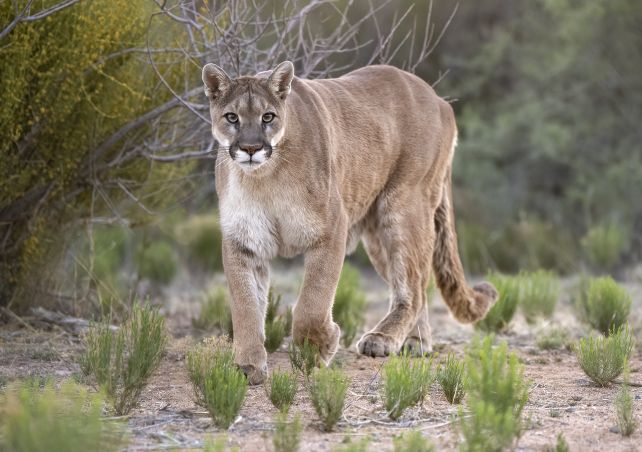
Similarly, the mountain lion study, which tracked 36 lions in the Santa Cruz Mountains, found that these animals actively avoided areas where human activity was high. This proactive behaviour further illustrates the impact of human presence on wildlife.
The findings indicate that humans have a responsibility to mitigate potential conflicts with these animals. By being mindful of our activities in natural habitats, we can help foster a safer coexistence for both species. Future efforts should focus on maintaining this balance for the benefit of wildlife and ecosystems alike.