Thursday, March 26, 2026

NASA’s Plan to Use Nuclear Power for Mars Gateway

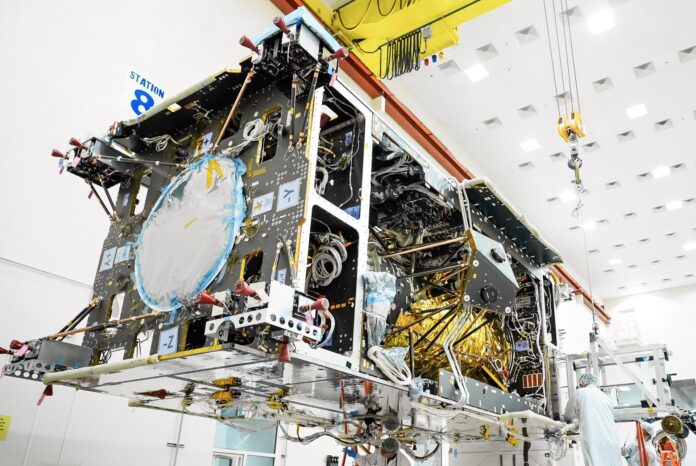
A new nuclear-electric propulsion system, called SR-1, will replace solar power with electricity from a nuclear reactor to energise plasma thrusters. This system aims to improve efficiency in space travel.

Isaacman, a key figure in the project, explained that SR-1 does not seek billions of dollars for a new mission. He emphasised the project will use existing hardware, including a reactor that is mostly built. This approach saves time and money, as some costs for the fuel have already been paid.

NASA has not announced how much the SR-1 mission will cost. Isaacman mentioned that proving nuclear propulsion can work may lead to more funding in the future. Sinacore, another project leader, highlighted that SR-1 mainly adds the nuclear reactor to an already existing spacecraft design. The timeline aims for launches during the next Mars opportunity in December 2028, which is critical based on orbital mechanics.

Preparing for a large space mission like this is challenging. Sinacore pointed out that they need to avoid “mission creep,” which means keeping the project focused on its main goals. The timeline includes completing mission design by June and starting assembly in early 2028. If they miss the 2028 launch, the next chance won’t be until 2031.

NASA will lead the SR-1 project, but launching radioactive fuel into space requires coordination with various federal agencies, including the Department of Energy. Selected rockets must also pass special certification for nuclear launch missions.


Test Your Understanding

Start Quiz

Vocabulary List:
6 words · tap to reveal
ON

AccentSpeed

propulsion/prəˈpʌlʃən/noun
power that moves a vehicle forward

reactor/riˈæktɚ/noun
machine that makes energy from nuclear material

plasma/ˈplæzmə/noun
hot, charged gas used for high-speed travel

orbital/ˈɔrbɪtəl/adjective
relating to the path around a planet

radioactive/ˌreɪdioʊˈæktɪv/adjective
giving off dangerous energy from atoms

certification/ˌsɜrtɪfɪˈkeɪʃən/noun
official approval that something meets rules

How much do you know?

What will the SR-1 system replace with electricity from a nuclear reactor?
Solar power
Wind power
Fossil fuels
Chemical propulsion
Who is a key figure in the SR-1 project?
Elon Musk
Jeff Bezos
Jared Isaacman
Bill Gates
What is the main goal of the SR-1 project?
To develop solar-powered thrusters
To improve efficiency in space travel
To send humans to Mars in 2024
To create a new spacecraft design
When is the target launch window for the SR-1 mission?
July 2028
December 2028
March 2031
October 2028
What must selected rockets pass for nuclear launch missions?
Environmental review
Special certification
Cost analysis
Safety audit
Which department requires coordination for launching radioactive fuel into space?
Department of Defense
Department of Energy
Department of Transportation
NASA Headquarters
The SR-1 mission will use entirely new hardware.
NASA has disclosed the cost of the SR-1 mission.
Isaacman believes that demonstrating nuclear propulsion may not attract future funding.
Mission creep refers to the expansion of project goals beyond the original intent.
The next chance for launching SR-1 after December 2028 is in 2032.
The timeline for the SR-1 mission includes design completion by June.
The SR-1 system is designed to use from a nuclear reactor.
Isaacman stated that some costs for the fuel have already been paid.
The timeline for SR-1 aims for launches during the next Mars opportunity in 2028.
Preparing for large space missions is often fraught with challenges.
The next chance to launch after 2028 won't be until 2031.
NASA will lead the SR-1 project while coordinating with federal agencies.
This question is required

Test Your Understanding

Start Quiz
Vocabulary List:
6 words · tap to reveal
ON
AccentSpeed
propulsion/prəˈpʌlʃən/noun
power that moves a vehicle forward
reactor/riˈæktɚ/noun
machine that makes energy from nuclear material
plasma/ˈplæzmə/noun
hot, charged gas used for high-speed travel
orbital/ˈɔrbɪtəl/adjective
relating to the path around a planet
radioactive/ˌreɪdioʊˈæktɪv/adjective
giving off dangerous energy from atoms
certification/ˌsɜrtɪfɪˈkeɪʃən/noun
official approval that something meets rules

How much do you know?

What will the SR-1 system replace with electricity from a nuclear reactor?
Solar power
Wind power
Fossil fuels
Chemical propulsion
Who is a key figure in the SR-1 project?
Elon Musk
Jeff Bezos
Jared Isaacman
Bill Gates
What is the main goal of the SR-1 project?
To develop solar-powered thrusters
To improve efficiency in space travel
To send humans to Mars in 2024
To create a new spacecraft design
When is the target launch window for the SR-1 mission?
July 2028
December 2028
March 2031
October 2028
What must selected rockets pass for nuclear launch missions?
Environmental review
Special certification
Cost analysis
Safety audit
Which department requires coordination for launching radioactive fuel into space?
Department of Defense
Department of Energy
Department of Transportation
NASA Headquarters
The SR-1 mission will use entirely new hardware.
NASA has disclosed the cost of the SR-1 mission.
Isaacman believes that demonstrating nuclear propulsion may not attract future funding.
Mission creep refers to the expansion of project goals beyond the original intent.
The next chance for launching SR-1 after December 2028 is in 2032.
The timeline for the SR-1 mission includes design completion by June.
The SR-1 system is designed to use from a nuclear reactor.
Isaacman stated that some costs for the fuel have already been paid.
The timeline for SR-1 aims for launches during the next Mars opportunity in 2028.
Preparing for large space missions is often fraught with challenges.
The next chance to launch after 2028 won't be until 2031.
NASA will lead the SR-1 project while coordinating with federal agencies.
This question is required

Read More