Wednesday, May 13, 2026

Why Are Fish Hiding in Their Habitats?

Remoras are small fish known for their ability to attach themselves to larger animals. They have a suction cup on their heads that allows them to cling to creatures like sharks, rays, and turtles. Traditionally, it was believed that this relationship benefited both parties. Remoras eat parasites and dead skin from their hosts, while gaining protection and transport. However, new research suggests this connection may not be as helpful as once thought.

Emily Yeager, a PhD student at the University of Miami, highlights a series of troubling findings about remoras. A 2025 study showed that sea turtles with remoras grazed less, and the scientists saw only one example of a remora cleaning a turtle’s shell. In fact, some remoras were observed entering their host’s bodies, including whale sharks.

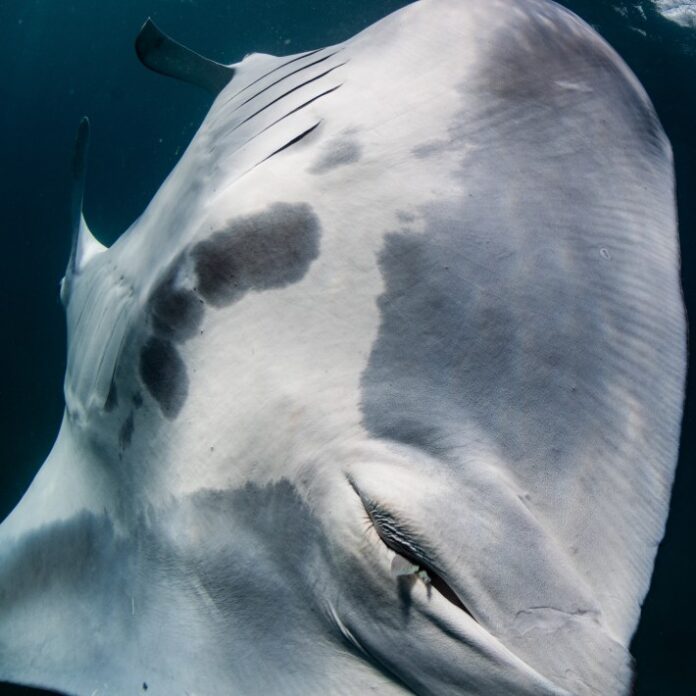
Yeager’s latest paper argues that remoras might act more like pests. This study revealed that remoras have been found inside the cloacas of manta rays. The term “cloacal diving” was used to describe this unusual behaviour. Yeager and her team collected footage showing remoras inserting themselves into manta rays, causing concern about possible harm.

Researchers continue to explore these interactions. They suspect that a remora inside a manta ray’s cloaca could cause damage or interfere with important functions like breathing and reproduction. Yeager believes this research offers new insights into the complex relationships between remoras and their hosts.


Test Your Understanding

Start Quiz

Vocabulary List:
6 words · tap to reveal
ON

Accent

suction/ˈsʌkʃən/noun
a strong pulling force made by air or liquid

parasites/ˈpærəˌsaɪts/noun
small animals that live on other animals

hosts/hoʊsts/noun
animals that carry other animals on their bodies

grazed/ɡreɪzd/verb
ate plants or grass in slow, small amounts

cloacas/kloʊˈækəz/noun
openings animals use for waste and reproduction

interfere/ˌɪntərˈfɪr/verb
make it harder for something to work properly

How much do you know?

What do remoras primarily attach themselves to?
Other fish
Larger animals
Coral reefs
Submarine structures
What do remoras use to cling to their hosts?
Claws
Teeth
Suction cup
Gills
What was one benefit traditionally attributed to the relationship between remoras and their hosts?
Remoras eat host's flesh
Hosts provide remoras with shelter
Remoras clean parasites off hosts
Hosts transport remoras to different locations
Who conducted the study mentioned concerning the relationship between remoras and their hosts?
Dr. Richard Dawkins
Emily Yeager
Dr. Jane Goodall
Prof. Charles Darwin
In what year did the study about sea turtles and remoras take place?
2020
2021
2022
2025
What unusual behavior was observed in remoras in relation to manta rays?
Eating their scales
Climbing onto their backs
Inserting themselves into their cloacas
Cleaning their eyes
Remoras are known to detach easily from larger animals.
Traditionally, the relationship between remoras and their hosts was seen as purely beneficial.
Emily Yeager is a PhD student at Harvard University.
Some remoras were found inside the bodies of whale sharks.
Cloacal diving refers to normal behavior for remoras.
Researchers believe remoras may cause damage to their hosts in some cases.
Remoras are small fish known for their ability to attach themselves to .
The suction cup on a remora's head allows it to cling to .
Emily Yeager is a student at the University of Miami.
A 2025 study showed that sea turtles with remoras grazed .
Remoras were observed inserting themselves into the of manta rays.
Yeager believes this research offers new insights into the complex relationships between remoras and their .
This question is required

Test Your Understanding

Start Quiz
Vocabulary List:
6 words · tap to reveal
ON
Accent
suction/ˈsʌkʃən/noun
a strong pulling force made by air or liquid
parasites/ˈpærəˌsaɪts/noun
small animals that live on other animals
hosts/hoʊsts/noun
animals that carry other animals on their bodies
grazed/ɡreɪzd/verb
ate plants or grass in slow, small amounts
cloacas/kloʊˈækəz/noun
openings animals use for waste and reproduction
interfere/ˌɪntərˈfɪr/verb
make it harder for something to work properly

How much do you know?

What do remoras primarily attach themselves to?
Other fish
Larger animals
Coral reefs
Submarine structures
What do remoras use to cling to their hosts?
Claws
Teeth
Suction cup
Gills
What was one benefit traditionally attributed to the relationship between remoras and their hosts?
Remoras eat host's flesh
Hosts provide remoras with shelter
Remoras clean parasites off hosts
Hosts transport remoras to different locations
Who conducted the study mentioned concerning the relationship between remoras and their hosts?
Dr. Richard Dawkins
Emily Yeager
Dr. Jane Goodall
Prof. Charles Darwin
In what year did the study about sea turtles and remoras take place?
2020
2021
2022
2025
What unusual behavior was observed in remoras in relation to manta rays?
Eating their scales
Climbing onto their backs
Inserting themselves into their cloacas
Cleaning their eyes
Remoras are known to detach easily from larger animals.
Traditionally, the relationship between remoras and their hosts was seen as purely beneficial.
Emily Yeager is a PhD student at Harvard University.
Some remoras were found inside the bodies of whale sharks.
Cloacal diving refers to normal behavior for remoras.
Researchers believe remoras may cause damage to their hosts in some cases.
Remoras are small fish known for their ability to attach themselves to .
The suction cup on a remora's head allows it to cling to .
Emily Yeager is a student at the University of Miami.
A 2025 study showed that sea turtles with remoras grazed .
Remoras were observed inserting themselves into the of manta rays.
Yeager believes this research offers new insights into the complex relationships between remoras and their .
This question is required

Read More