Thursday, May 21, 2026

Scientists Develop Bioengineered Photosynthesis to Combat Dry Eye Disease

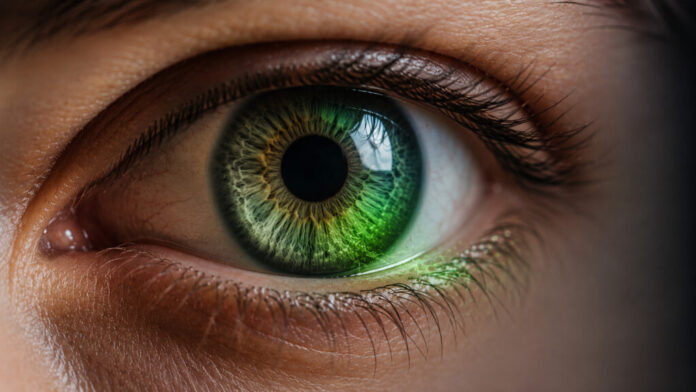
Photosynthesis, a vital process for life on Earth, recently became the focus of a groundbreaking study aiming to combat dry eye disease. Researchers at the National University of Singapore (NUS) successfully incorporated nanoscale light-absorbing structures from spinach into mammalian eye cells, presenting a novel approach that could revolutionise treatment for approximately 1.5 billion affected individuals globally.

The impetus for this research stems from the unique abilities of certain sea slugs, known as sacoglossans, which can absorb chloroplasts from algae and use them for photosynthesis. This concept prompted scientists to explore the potential of transplanting similar capabilities into other organisms, particularly humans. The eye, continuously exposed to light, emerged as an optimal environment for implementing this innovative strategy.

The team developed a particle called LEAF, derived from thylakoids—structures responsible for light absorption in chloroplasts. Unlike traditional plants, which expend energy converting absorbed light into sugars, LEAF was designed merely to harness light for charging chemical “batteries” in cells. Initial tests indicated that when exposed to light, LEAF effectively restored NADPH, a molecule that helps fight cellular damage from oxidative stress.

In trials with eye models, LEAF demonstrated the potential to combat inflammatory conditions by generating NADPH upon illumination. Researchers have indicated that this approach could represent a significant advancement in treating dry eye disease, diverging from conventional therapies that often focus solely on blocking inflammation.

While the idea presents remarkable possibilities, significant challenges remain. Researchers must address numerous safety concerns, including particle persistence in human tissue and potential immune responses. Despite these hurdles, the scientific community is optimistic that this pioneering work may eventually lead to effective treatments for dry eye disease, paving the way for further applications in human health.

Test Your Understanding

Start Quiz

Vocabulary List:
6 words · tap to reveal
ON

Accent

photosynthesis/ˌfoʊtəˈsɪnθəsɪs/noun
how plants use light to make food

nanoscale/ˈnænoʊskeɪl/adjective
extremely small; too tiny to see

chloroplasts/ˈklɔroʊˌplæsts/noun
parts inside plant cells that do photosynthesis

thylakoids/θaɪˈlækoɪdz/noun
thin layers in chloroplasts that catch light

NADPH/ˌɛn.eɪ.diː.piːˈeɪtʃ/noun
a small molecule cells use to fight damage

inflammatory/ɪnˈflæməˌtɔri/adjective
relating to swelling or irritation in body

How much do you know?

What is the focus of the recent study at the National University of Singapore?
Treating diabetes
Combating dry eye disease
Improving eyesight
Enhancing photosynthesis
From which plant were the light-absorbing structures incorporated into eye cells derived?
Lettuce
Kale
Spinach
Cabbage
What is the name of the particle developed by the researchers?
LEAF
NADPH
Chloroplast
Thylakoids
What does LEAF restore when exposed to light?
Glucose
Oxygen
NADPH
Chlorophyll
What percentage of the global population is affected by dry eye disease?
500 million
1.5 billion
2 billion
1 million
What method do traditional therapies for dry eye disease mostly focus on?
Restoring moisture
Blocking inflammation
Enhancing vision
Surgery
The study aims to improve photosynthesis in plants.
LEAF is designed to convert light into sugars.
Sacoglossans are a type of sea slug that can absorb chloroplasts.
The research has already successfully treated dry eye disease in humans.
Initial tests indicated that LEAF helps fight cellular damage from oxidative stress.
The research team believes there are no safety concerns regarding the new treatment approach.
Photosynthesis is a vital process for life on Earth and is recently the focus of a study aimed to combat dry eye disease .
The particle developed by researchers is called .
Researchers aimed to restore through their innovative strategy.
Dry eye disease affects approximately individuals worldwide.
The inspiration for the research came from the abilities of certain slugs.
LEAF was designed to harness light for charging in cells.
This question is required

Test Your Understanding

Start Quiz
Vocabulary List:
6 words · tap to reveal
ON
Accent
photosynthesis/ˌfoʊtəˈsɪnθəsɪs/noun
how plants use light to make food
nanoscale/ˈnænoʊskeɪl/adjective
extremely small; too tiny to see
chloroplasts/ˈklɔroʊˌplæsts/noun
parts inside plant cells that do photosynthesis
thylakoids/θaɪˈlækoɪdz/noun
thin layers in chloroplasts that catch light
NADPH/ˌɛn.eɪ.diː.piːˈeɪtʃ/noun
a small molecule cells use to fight damage
inflammatory/ɪnˈflæməˌtɔri/adjective
relating to swelling or irritation in body

How much do you know?

What is the focus of the recent study at the National University of Singapore?
Treating diabetes
Combating dry eye disease
Improving eyesight
Enhancing photosynthesis
From which plant were the light-absorbing structures incorporated into eye cells derived?
Lettuce
Kale
Spinach
Cabbage
What is the name of the particle developed by the researchers?
LEAF
NADPH
Chloroplast
Thylakoids
What does LEAF restore when exposed to light?
Glucose
Oxygen
NADPH
Chlorophyll
What percentage of the global population is affected by dry eye disease?
500 million
1.5 billion
2 billion
1 million
What method do traditional therapies for dry eye disease mostly focus on?
Restoring moisture
Blocking inflammation
Enhancing vision
Surgery
The study aims to improve photosynthesis in plants.
LEAF is designed to convert light into sugars.
Sacoglossans are a type of sea slug that can absorb chloroplasts.
The research has already successfully treated dry eye disease in humans.
Initial tests indicated that LEAF helps fight cellular damage from oxidative stress.
The research team believes there are no safety concerns regarding the new treatment approach.
Photosynthesis is a vital process for life on Earth and is recently the focus of a study aimed to combat dry eye disease .
The particle developed by researchers is called .
Researchers aimed to restore through their innovative strategy.
Dry eye disease affects approximately individuals worldwide.
The inspiration for the research came from the abilities of certain slugs.
LEAF was designed to harness light for charging in cells.
This question is required

Read More