Sunday, May 24, 2026

Spinach Eye Drops Show Promise for Common Condition

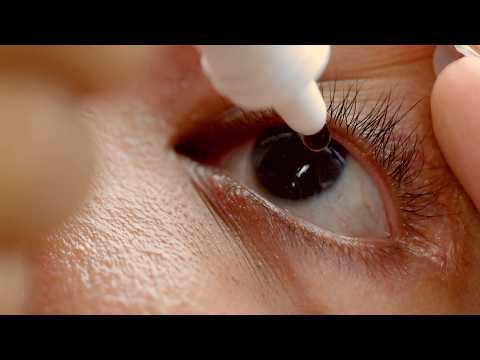
Scientists in Singapore are using sunlight to help people with dry eye syndrome. This condition affects over a billion people worldwide.

The team from the National University of Singapore (NUS) studied how plants use light to live. They took special parts from spinach leaves and tested them on lab-grown human eye cells and eye cells from mice with dry eye symptoms.

The tests showed that when these eye cells received light, they created a chemical called NADPH. This chemical helps protect cells from damage. It can lower inflammation, which makes dry eyes feel better.

The researchers named their technique LEAF, which stands for light-reaction enriched thylakoid NADPH-foundry. The treatment uses spinach, which is cheap and easy to get. They found that in just 30 minutes, the treatment reduced harmful chemicals by 95% in tear samples from dry eye patients.

Next, the researchers want to test this treatment in humans. They also hope to see if it can help with other health problems caused by inflammation.


Test Your Understanding

Start Quiz

Vocabulary List:
6 words · tap to reveal
ON

Accent

syndrome/ˈsɪn.droʊm/noun
medical problem with several related signs

thylakoid/ˈθaɪ.ləˌkɔɪd/noun
a small part inside plant cells using light

NADPH/ɛn.eɪ.diː.piː.eɪtʃ/noun
a chemical in cells that helps protect them

inflammation/ˌɪn.fləˈmeɪ.ʃən/noun
body reaction that causes heat, pain, or swelling

treatment/ˈtriːt.mənt/noun
something done to help a sick person

reduced/rɪˈduːst/verb
made something smaller in amount or size

How much do you know?

What condition are scientists in Singapore trying to help with sunlight?
Dry eye syndrome
Diabetes
Arthritis
Heart disease
What university is the research team from?
National University of Singapore
Stanford University
Harvard University
University of Cambridge
What chemical do the eye cells produce when exposed to light?
NADPH
Vitamin D
Insulin
Glucose
What does the acronym LEAF stand for?
Light-exposed animal flora
Light-reaction enriched thylakoid NADPH-foundry
Light-energy activated function
Light-enhanced antioxidant formula
Which plant's parts are used in the treatment?
Spinach
Kale
Lettuce
Cabbage
By what percentage did the treatment reduce harmful chemicals in tear samples?
90%
85%
95%
80%
The treatment uses expensive and hard-to-find materials.
The study involved testing lab-grown human eye cells.
Researchers are only testing the method on mice.
The treatment aims to help with health problems caused by inflammation.
Scientists in Singapore have completed human trials for the treatment.
The condition affects over a billion people worldwide.
Scientists in Singapore are using sunlight to help people with dry eye syndrome, which affects over a billion people .
The technique developed by researchers is known as .
When eye cells received light, they created a chemical called .
The research team tested parts from spinach leaves on lab-grown human eye cells and eye cells from .
The treatment reduced harmful chemicals by 95% in tear samples from dry eye .
Next, researchers want to test this treatment in .
This question is required

Test Your Understanding

Start Quiz
Vocabulary List:
6 words · tap to reveal
ON
Accent
syndrome/ˈsɪn.droʊm/noun
medical problem with several related signs
thylakoid/ˈθaɪ.ləˌkɔɪd/noun
a small part inside plant cells using light
NADPH/ɛn.eɪ.diː.piː.eɪtʃ/noun
a chemical in cells that helps protect them
inflammation/ˌɪn.fləˈmeɪ.ʃən/noun
body reaction that causes heat, pain, or swelling
treatment/ˈtriːt.mənt/noun
something done to help a sick person
reduced/rɪˈduːst/verb
made something smaller in amount or size

How much do you know?

What condition are scientists in Singapore trying to help with sunlight?
Dry eye syndrome
Diabetes
Arthritis
Heart disease
What university is the research team from?
National University of Singapore
Stanford University
Harvard University
University of Cambridge
What chemical do the eye cells produce when exposed to light?
NADPH
Vitamin D
Insulin
Glucose
What does the acronym LEAF stand for?
Light-exposed animal flora
Light-reaction enriched thylakoid NADPH-foundry
Light-energy activated function
Light-enhanced antioxidant formula
Which plant's parts are used in the treatment?
Spinach
Kale
Lettuce
Cabbage
By what percentage did the treatment reduce harmful chemicals in tear samples?
90%
85%
95%
80%
The treatment uses expensive and hard-to-find materials.
The study involved testing lab-grown human eye cells.
Researchers are only testing the method on mice.
The treatment aims to help with health problems caused by inflammation.

Scientists in Singapore have completed human trials for the treatment.
The condition affects over a billion people worldwide.
Scientists in Singapore are using sunlight to help people with dry eye syndrome, which affects over a billion people .
The technique developed by researchers is known as .
When eye cells received light, they created a chemical called .
The research team tested parts from spinach leaves on lab-grown human eye cells and eye cells from .
The treatment reduced harmful chemicals by 95% in tear samples from dry eye .
Next, researchers want to test this treatment in .
This question is required

Read More

