

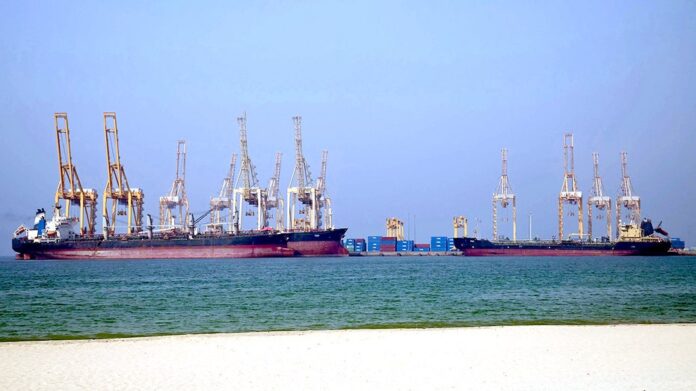
Oil prices stabilised near levels observed prior to recent geopolitical conflicts, reflecting a significant shift following the OPEC+ decision to augment production. This adjustment aims to alleviate concerns regarding global oil supply, as exports through the crucial Strait of Hormuz, a vital shipping channel for energy resources, have begun to recover after months of interruption.
OPEC+, a coalition of oil-producing nations, announced an increase in output by 188,000 barrels per day starting in August, marking the third consecutive monthly rise in production. This gradual lifting of production cuts, initially implemented in 2023, signals a response to diminishing apprehensions about a persisting global supply shortage.
The supply dynamics have shifted notably since the reopening of the Strait of Hormuz, which had previously faced disruptions due to the ongoing U.S.-Israeli conflict with Iran. Additionally, a memorandum of understanding facilitated by the United States and Iran has helped instill market confidence, bolstering expectations for a normalisation of supply levels.
On Friday, Brent crude traded at approximately $72 per barrel, a marked decline from peaks exceeding $120 amidst the conflict and comparable to prices prior to military actions initiated by the U.S. and Israel against Iran. The dip in prices also stems from disappointing crude demand in China and heightened production from non-Middle Eastern countries, alongside a strategic release of reserves by the International Energy Agency.
The recent production enhancement follows earlier increases in June and July, with core OPEC+ producers restoring nearly 800,000 barrels per day since April. Nevertheless, actual output continues to fall short of levels reached before the conflict, as export disruptions impacted major producers like Saudi Arabia, Kuwait, and Iraq.
As OPEC+ confronts internal challenges, including the exit of the United Arab Emirates from the alliance and Iraq’s demands for expanded production quotas, the outcome of the forthcoming meeting on August 2 will be pivotal. Approval of further increases could signify the complete reversal of cuts made in 2023, shaping the trajectory of the crude market in the coming months.