Tuesday, July 7, 2026

Risks of Wearing Contact Lenses on Airplanes

When travelling this summer, contact lens users should carefully consider their eye care routines, particularly during flights. While many might prefer to wear contact lenses instead of glasses, this choice can lead to discomfort and potential complications.

Dr. Priya M. Mathews, an expert in ocular surface diseases, notes that wearing contacts is generally acceptable on short flights, provided the eyes are healthy and the traveller does not intend to sleep during the journey. For longer flights, however, the dry cabin environment can cause significant issues for contact lens wearers. The air inside an aircraft is often quite arid, which may lead to dryness, irritation, and increased sensitivity of the eyes.

Mathews warns that prolonged exposure to dry cabin air can result in uncomfortable sensations, such as grittiness or pain. Furthermore, the pressurised environment at high altitudes reduces oxygen availability to the eyes, exacerbating these effects. In severe cases, the lenses might adhere to the eye’s surface, potentially causing micro-tears and increased likelihood of infection.

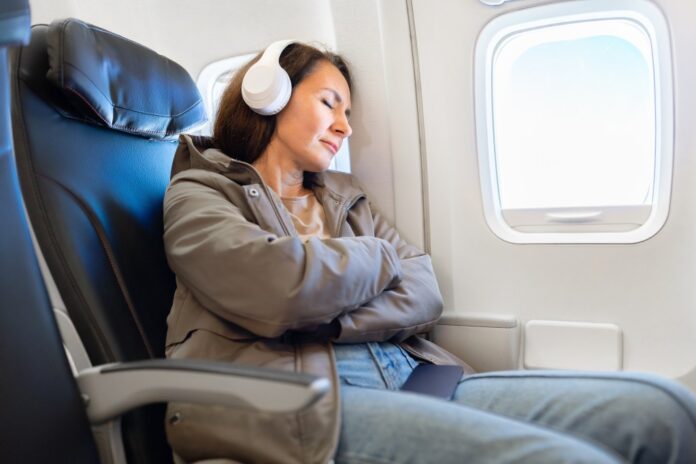
Dr. Arjan Hura, a cataract and eye surgeon, highlights the heightened risk of eye infections associated with sleeping while wearing contact lenses, emphasising that anyone experiencing redness, irritation, or existing infections should opt for glasses instead.

For those determined to wear contacts, maintaining hygiene is crucial. Washing hands before handling lenses and ensuring access to adequate lens solution is essential in preventing infections. Hura advises regular lens replacement, the application of artificial tears, and suggests carrying a backup pair of glasses for emergencies, especially during extended travel.

Lastly, travellers need not worry about transferring contact lens solution to compliant containers, as travel-sized options are readily available.

Test Your Understanding

Start Quiz

Vocabulary List:
6 words · tap to reveal
ON

Accent

ocular/ˈɑkjələr/adjective
related to the eye or to seeing

arid/ˈærɪd/adjective
very dry; without much water or moisture

pressurised/ˈprɛʃəraɪzd/adjective
having higher air pressure inside than outside

exacerbating/ɪɡˈzæsərbeɪtɪŋ/verb
making a problem or bad feeling worse

adhere/ədˈhɪr/verb
stick firmly to a surface or object

hygiene/ˈhaɪdʒin/noun
practices to keep things clean and healthy

How much do you know?

Who is Dr. Priya M. Mathews?
A general practitioner
An expert in ocular surface diseases
An ophthalmic surgeon
A travel agent
What does prolonged exposure to dry cabin air lead to for contact lens wearers?
Increased comfort
Reduced thirst
Dryness and irritation
Improved vision
What does Dr. Arjan Hura emphasise regarding contact lens use during sleep?
It is safe
It decreases eye strength
It heightens the risk of eye infections
It helps in lens preservation
What should travellers consider for maintaining hygiene while handling contact lenses?
Wearing gloves
Washing hands before handling lenses
Using any type of solution
Not touching the lenses at all
Why is it important to carry a backup pair of glasses during travel?
For style purposes
In case of emergencies
To avoid wearing contact lenses
For reading purposes
What type of environment do aircraft cabins generally have?
Moist and humid
Dry and arid
Cool and refreshing
Warm and inviting
Wearing contact lenses is always recommended during long flights.
Dr. Priya M. Mathews believes it is acceptable to wear contacts if the eyes are healthy.
Contact lens wearers do not need to worry about infections if they wear their lenses for a long time.
Artificial tears can help alleviate discomfort for contact lens wearers.
Hygiene is not important when handling contact lenses.
Travel-sized contact lens solution containers are unavailable.
While many might prefer to wear contact lenses instead of glasses, this choice can lead to discomfort and potential .
Mathews warns that prolonged exposure to dry cabin air can result in uncomfortable sensations, such as or pain.
The pressurised environment at high altitudes reduces oxygen availability to the .
Maintaining hygiene is crucial; washing hands before handling lenses and ensuring access to adequate lens is essential.
Dr. Arjan Hura advises regular lens replacement and suggests carrying a backup pair of for emergencies.
During travel, contact lens users need not worry about transferring lens solution to containers.
This question is required

Test Your Understanding

Start Quiz
Vocabulary List:
6 words · tap to reveal
ON
Accent
ocular/ˈɑkjələr/adjective
related to the eye or to seeing
arid/ˈærɪd/adjective
very dry; without much water or moisture
pressurised/ˈprɛʃəraɪzd/adjective
having higher air pressure inside than outside
exacerbating/ɪɡˈzæsərbeɪtɪŋ/verb
making a problem or bad feeling worse
adhere/ədˈhɪr/verb
stick firmly to a surface or object
hygiene/ˈhaɪdʒin/noun
practices to keep things clean and healthy

How much do you know?

Who is Dr. Priya M. Mathews?
A general practitioner
An expert in ocular surface diseases
An ophthalmic surgeon
A travel agent
What does prolonged exposure to dry cabin air lead to for contact lens wearers?
Increased comfort
Reduced thirst
Dryness and irritation
Improved vision
What does Dr. Arjan Hura emphasise regarding contact lens use during sleep?
It is safe
It decreases eye strength
It heightens the risk of eye infections
It helps in lens preservation
What should travellers consider for maintaining hygiene while handling contact lenses?
Wearing gloves
Washing hands before handling lenses
Using any type of solution
Not touching the lenses at all
Why is it important to carry a backup pair of glasses during travel?
For style purposes
In case of emergencies
To avoid wearing contact lenses
For reading purposes
What type of environment do aircraft cabins generally have?
Moist and humid
Dry and arid
Cool and refreshing
Warm and inviting
Wearing contact lenses is always recommended during long flights.
Dr. Priya M. Mathews believes it is acceptable to wear contacts if the eyes are healthy.
Contact lens wearers do not need to worry about infections if they wear their lenses for a long time.
Artificial tears can help alleviate discomfort for contact lens wearers.
Hygiene is not important when handling contact lenses.
Travel-sized contact lens solution containers are unavailable.
While many might prefer to wear contact lenses instead of glasses, this choice can lead to discomfort and potential .
Mathews warns that prolonged exposure to dry cabin air can result in uncomfortable sensations, such as or pain.
The pressurised environment at high altitudes reduces oxygen availability to the .
Maintaining hygiene is crucial; washing hands before handling lenses and ensuring access to adequate lens is essential.
Dr. Arjan Hura advises regular lens replacement and suggests carrying a backup pair of for emergencies.
During travel, contact lens users need not worry about transferring lens solution to containers.
This question is required

Read More