

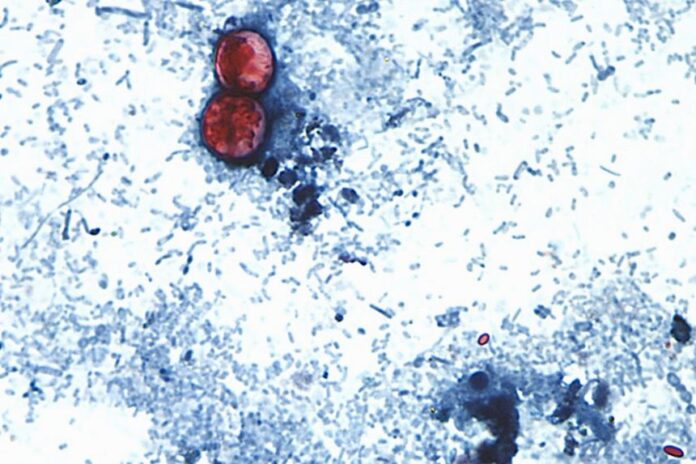
As the leader of the federal lab overseeing parasitic outbreaks, Dr. Joel Barratt noted a concerning decline in his team’s size due to budget cuts and hiring freezes initiated during the Trump administration. By September, his team shrank from 11 to just three members, prompting his resignation. Before his departure, he alerted senior officials at the US Centres for Disease Control and Prevention (CDC) about the potential consequences of such staff reductions on future outbreak responses.
Currently, those warnings seem prescient, as officials tackle a growing cyclospora outbreak in the Midwest with significantly fewer resources. Barratt stated that the loss of specialised staff has severely hindered efforts to trace the origins of the outbreak.
Research has revealed that funding and staffing cuts, amounting to nearly $30 million, damaged the CDC’s capability to respond to the cyclospora outbreak effectively. Although the Trump administration defended these cuts, claiming they were aimed at eliminating wasteful spending, former CDC officials argued that such funding indirectly supported domestic health initiatives, including the fight against cyclospora.
Health experts highlighted that the delayed response has led to slower identification of the outbreak’s source, with many cases reported across several states. Over 7,000 cyclospora cases have been confirmed nationally, with more than 100 hospitalisations but no fatalities thus far.
Federal officials believe the outbreak is linked to shredded iceberg lettuce from Taco Bell, which has since been removed from circulation. The Department of Health and Human Services is cooperating with federal and state organisations to monitor the situation closely. The CDC’s response to the outbreak, already complicated by staffing losses and longer testing times, raises serious concerns about its effectiveness moving forward.
Test Your Understanding
How much do you know?



