In late 2023, Joël Lapointe, an amateur astronomer from Quebec, noticed something unusual while planning a road trip. While exploring northern areas on Google Maps, he found a circular depression about 100 kilometres north of Magpie. Intrigued by this potential meteorite impact crater, he initially doubted its significance, believing scientists must already know about it. However, further investigation revealed no existing records for the location, prompting him to contact experts.
After several attempts, a French research centre expressed interest in the site. This excitement was mixed with nerves for Lapointe as he waited for updates. Meanwhile, Gordon Osinski, a professor at Western University in Ontario, learned of Lapointe’s discovery. Although he was initially skeptical, the unique circular shape and unusual rock samples led him to co-lead an expedition to the site in 2025.
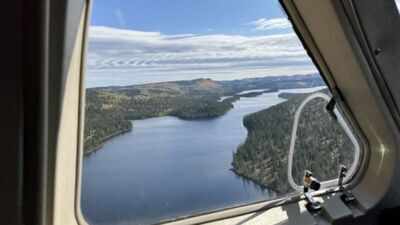
The team faced rugged terrain as they arrived by float plane. To confirm the pit was indeed a meteorite impact crater, they sought indicators like shatter cones and impact melt rock. These geological features indicated a violent cosmic collision about 390 million years ago, long before the age of dinosaurs and humans.
After discussing with the Ekuanitshit Innu council, the crater was named Uhackatik. This acknowledgment of Indigenous collaboration highlighted both scientific and cultural importance. The story demonstrates how everyday curiosity can lead to remarkable discoveries about Earth’s ancient history.
Test Your Understanding
How much do you know?