Warning: foreach() argument must be of type array|object, false given in /home/u750883576/domains/esl-news.com/public_html/wp-content/plugins/gpt-post-quiz/includes/admin/class-gpoq-admin-4.php on line 450
Warning: foreach() argument must be of type array|object, false given in /home/u750883576/domains/esl-news.com/public_html/wp-content/plugins/td-composer/legacy/common/wp_booster/td_menu.php on line 88
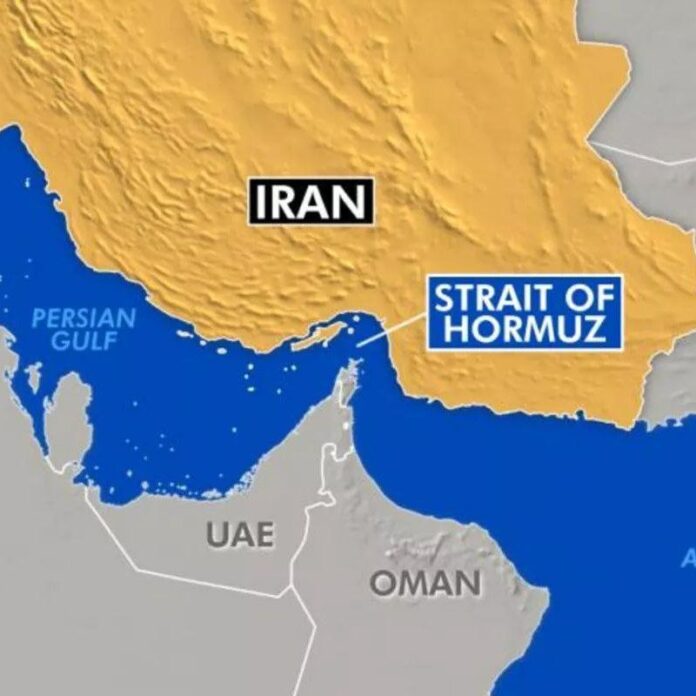
Rising tensions in the Strait of Hormuz, a key shipping area between Iran and Oman, are worrying crypto traders. About 20% of the world’s oil moves through this area every day. Although no complete closure is confirmed, increased military activity has already raised insurance costs for oil tankers by more than 50%.
If oil prices rise significantly, analysts believe inflation expectations will also increase. Higher oil prices can make transporting goods more expensive, which affects prices for consumers globally. This could lead central banks, such as the US Federal Reserve, to delay their plans to lower interest rates. If rates do not decrease, returns on government bonds could rise, leading to less money in riskier investments like cryptocurrencies.
The crypto market could see a volatility spike. Some experts warn that if oil prices rise, it can create a chain reaction: higher oil means higher inflation, which leads to no rate cuts, increasing yields, and tighter liquidity. Additionally, if energy supply issues arise in Iran, it may also affect Bitcoin mining, which could lead to shortages in Bitcoin.
However, not all leaders are worried. President Donald Trump stated he is “not concerned” about the situation. Markets usually react more to financial data than to political comments. The next few days will show if this situation will lead to major changes in the crypto market.