

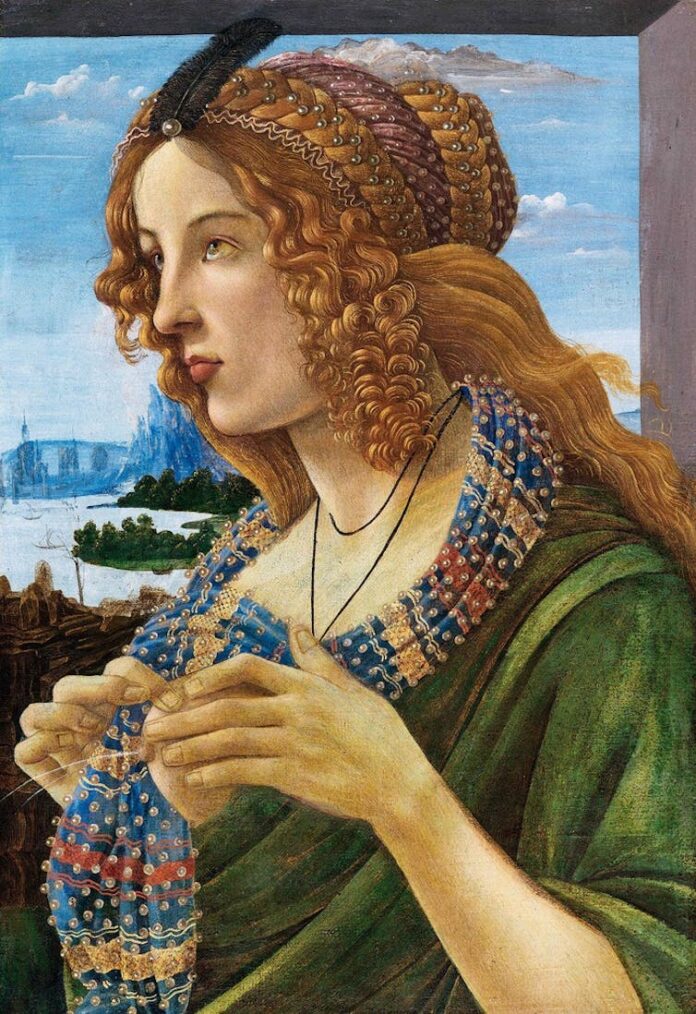
Simonetta Vespucci, a prominent figure of the Italian Renaissance, is believed to have inspired several paintings by Sandro Botticelli, including his famous depiction of Venus. She died in 1476 at the young age of 23. For many years, historians attributed her death to tuberculosis, a common and often deadly disease, which seemed to fit the narrative of a young woman’s rapid decline.
In 2019, researchers, including myself, proposed an alternative explanation. We carefully studied Botticelli’s portraits alongside written accounts from the time to observe any changes in her appearance that might suggest an illness. Our findings indicated subtle alterations in her facial features across various paintings. These changes resemble those seen in patients with a pituitary adenoma, a tumour affecting the small gland at the base of the brain that influences hormone production.
We hypothesised that Simonetta may have had a tumour producing excess growth hormone and prolactin, hormones that can alter facial appearance and cause unusual symptoms, such as lactation. This suggestion was made more robust in our latest paper published in Endocrinology, Diabetes and Metabolism, where we link her sudden and serious death to pituitary tumour apoplexy, a medical emergency occurring when the tumour either bleeds or swells rapidly.
We presented three main pieces of evidence: the gradual physical changes in her portraits, contemporary descriptions of symptoms that match apoplexy, and documented incidents in her final months that could have triggered a medical crisis. While definitive proof is elusive—there are no medical records from that era—our findings encourage a fresh examination of historical cases through the lens of modern medicine, potentially enriching both fields.


