The United States Justice Department and Federal Bureau of Investigation recently arrested eight individuals connected to the Venezuelan criminal group Tren de Aragua, marking significant developments in combating organised crime. This group faces serious charges, including kidnappings and murders that occurred in Texas and Illinois, highlighting ongoing concerns surrounding public safety and criminal networks.
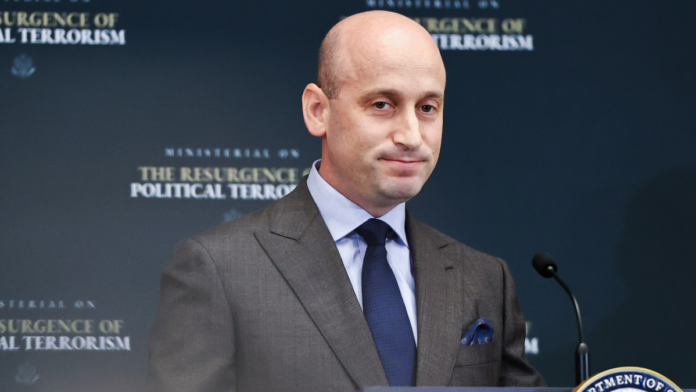
White House Deputy Chief of Staff Stephen Miller announced that the Trump administration intends to restrict access to banking services for undocumented immigrants. He stated that this strategy aims to encourage these individuals to self-deport. Miller explained that many undocumented immigrants utilise financial systems in the U.S., including having bank accounts and receiving payments via direct deposit.
President Trump has initiated this policy shift through an executive order signed on May 19. This directive calls for greater scrutiny of financial transactions involving individuals without legal immigration status. Though the order does not explicitly mandate banks to deny services to these individuals, compliance may lead to increased challenges for them in engaging with the financial system.
The Consumer Financial Protection Bureau, guided by Russell Vought, has reinforced this message. In early June, it advised lenders that they should consider the immigration status of applicants when evaluating loan repayment capabilities. This guidance, issued alongside reminders from three other federal agencies, underlines the perceived risk associated with lending to individuals lacking legal work authorisation.
As these policies unfold, they are likely to affect the financial landscape for undocumented immigrants. The White House’s initiatives appear to signal a concerted effort to enforce stricter immigration and financial regulations, with future actions expected to further tighten these restrictions.
Test Your Understanding
How much do you know?