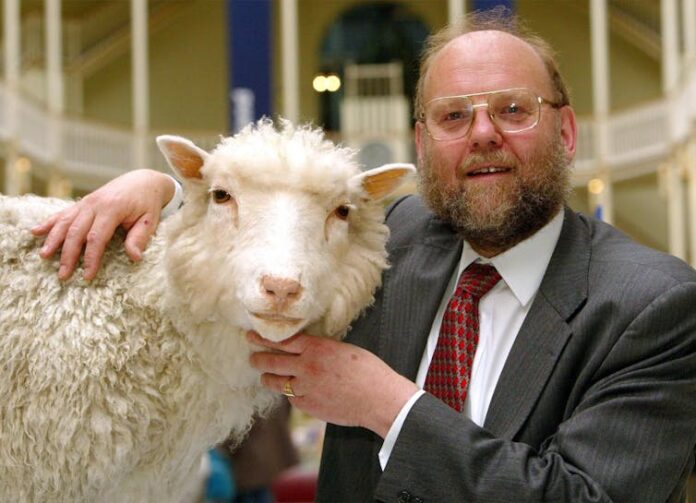
Dolly the sheep was the first cloned mammal. She was born 30 years ago in Scotland and became very famous in science. Her birth made people think about a future with cloned pets, humans, and even animals that are no longer alive, like the woolly mammoth. But cloning is not as simple as many thought.
Today, cloning is a tool that helps scientists. It helps them learn about diseases, save endangered species, and study life. Many attempts to clone are not successful. For example, it took 277 tries to clone Dolly. Cloning needs special tools, cells, and costs a lot of money.
Scientists can now take adult cells and change them to behave like young cells. This helps them study diseases and test new medicines. Cloning also helps in farming. Farmers clone animals with good traits, like health or milk production.
Some countries offer cloning for pets. However, cloned pets can act differently from the original ones. Cloning can help endangered species, like the black-footed ferret, by increasing their numbers. But bringing back extinct animals remains very difficult.