

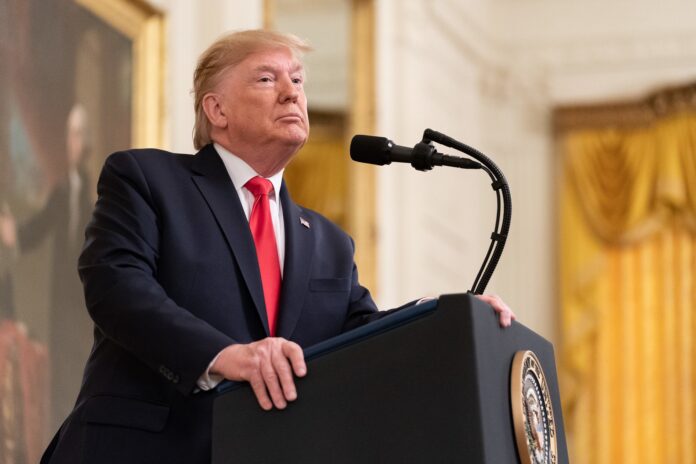
Wall Street’s returns have surged during Donald Trump’s time in office, with significant increases in major stock indices such as the Dow Jones Industrial Average, S&P 500, and Nasdaq Composite, which rose by 57%, 70%, and 142% respectively during his initial non-consecutive term. Despite a history of gains in 26 out of the last 33 presidential tenures since 1896, Trump’s annualised returns notably surpass those of most predecessors.
Some of the market’s success can be attributed to broader trends, such as advancements in artificial intelligence and quantum computing, which were already underway before Trump’s presidency. However, specific elements of the economic rally reflect his policies, particularly the Tax Cuts and Jobs Act, which permanently reduced the maximum corporate tax rate, thereby increasing share buybacks.
Despite current market optimism, historical patterns warn of sudden shifts in sentiment. Two pivotal decisions by Trump could profoundly influence Wall Street’s trajectory. Firstly, the commencement of military operations against Iran on February 28 led to the closure of the vital Strait of Hormuz, disrupting the flow of 20 million barrels of oil daily and impacting global crude oil supply significantly.
This turmoil has caused U.S. gas prices to rise sharply, posing a potential burden on low-income households that allocate a larger portion of their budgets to fuel. As businesses inevitably feel the impact of increased operational costs, inflation could escalate, as evidenced by a rise in inflation from 2.4% in February to an anticipated 3.89% in May.
Additionally, Trump’s selection of Kevin Warsh to succeed Jerome Powell as head of the Federal Reserve presents further challenges. Warsh’s historical preference for prioritising price stability could clash with market expectations for continued low interest rates. As inflation pressures mount, analysts speculate that a shift in Federal Reserve policy may be imminent, potentially jeopardising the stability of the bull market that has characterised Trump’s presidency.


