

Many people overlook the importance of easy bowel movements for quality of life. However, chronic constipation affects up to 15% of the global population. Different types of constipation have various causes and symptoms.
One type, slow-transit constipation (STC), involves delayed movement through the digestive tract. This may result from issues with the nerves controlling peristalsis—muscle contractions that move matter through the body.
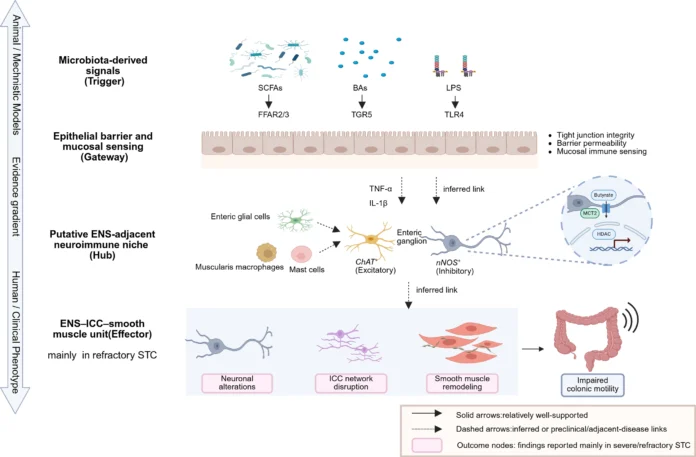
A study in Frontiers in Immunology explores how STC might arise from an imbalance in the gut-brain axis, which influences mood and potentially cognitive health. This imbalance involves interactions between the gut microbiota, gut lining, and the enteric nervous system (ENS)—often called the ‘second brain.’
Researchers propose a model called the "Trigger–Gateway–Hub–Effector framework." It suggests changes in gut bacteria (the Trigger) produce various byproducts, affecting the gut lining (the Gateway) and potentially causing inflammation and muscle dysfunction.
The Hub is the local environment where different signals come together, possibly impacting the intestinal muscles needed for digestion. The ENS, the Effector, may suffer from neuronal loss or chemical imbalances, affecting bowel movement.
The complexity of constipation requires exploring many treatment options. These include probiotics to restore healthy bacteria and strategies targeting immune response and neuron protection, alongside traditional treatments.
These insights can guide future therapies focused on gut health, immune regulation, and neuromuscular function, as outlined in the study published in Frontiers in Immunology.


