

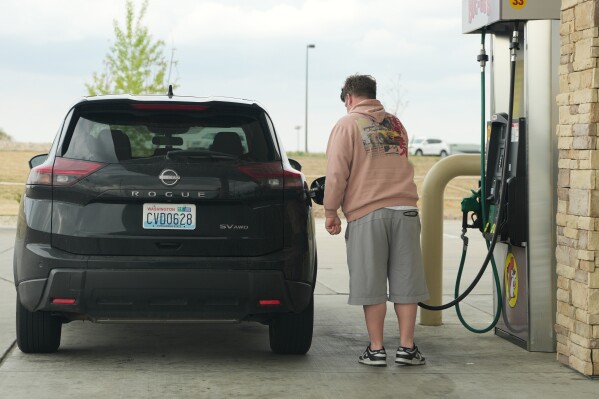
The price of a gallon of regular gasoline rose by 31 cents in the past week, reaching an average of $4.48 on Tuesday, according to AAA. This increase impacts drivers significantly, as overall prices have surged by 50% since the onset of the conflict with Iran.
The soaring costs stem from a global energy crisis triggered by the war with Iran, with crude oil prices escalating for nearly two months. A critical factor is the closure of the Strait of Hormuz, a vital passage for approximately 20% of the world’s oil supply, which has left many oil tankers stranded and unable to deliver shipments.
In mid-April, motorists experienced a brief respite as gasoline prices dropped following a glimmer of hope that the conflict might deescalate. Rob Smith, a fuel retail director at S&P Global Energy, noted optimism around a potential ceasefire initially decreased crude prices and led retailers to lower their prices.
However, with ongoing hostilities, gasoline prices began to climb again. Smith explained that global demand continues to outstrip supply, and until the Strait remains constrained, prices will face upward pressure.
Recent U.S. actions to block Iranian oil exports further complicated matters. Jim Krane from Rice University’s Baker Institute noted that the U.S. decision exerted added stress on global oil prices, contributing to price surges when geopolitical tensions arise.
Forecasting future price trends remains challenging. Experts warn that prolonged constraints on oil flow through the Strait of Hormuz will continue to drive prices higher. Even a resolution of the conflict may not return prices to pre-war levels for several months, as market confidence would take time to recover.


