

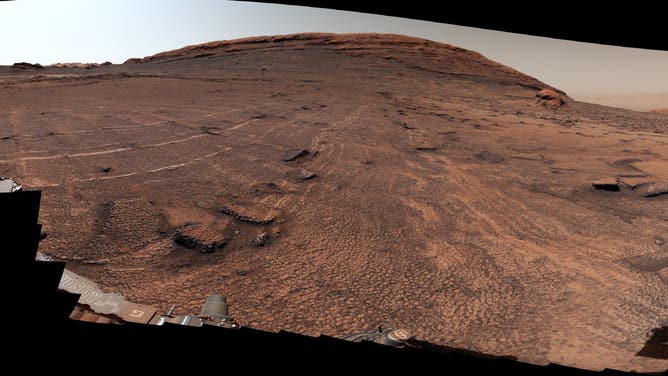
NASA’s Curiosity rover has recently shared new images that show fascinating features on Mars. These include polygonal fractures, which resemble honeycomb patterns and measure between 1.5 to 3 inches wide. This discovery is significant as it may provide insights into the planet’s past conditions.
Curiosity found these patterns while exploring the Gale Crater, where the shapes extend in all directions and wrap around a nearby butte named Miraflores, which is 20 feet tall and capped with sand. Scientists are studying these features to understand their formation and the chemical processes that may have created them.
Some of the polygons display signs of past mud cracks, which could indicate historical cycles of wet and dry conditions, possibly linked to changes in temperature or pressure that forced water out of the ground when it was buried.
This research can reveal more about Mars’ geological history and what it may have looked like when water flowed across its surface billions of years ago. NASA notes that evidence from previous rover missions suggests that ancient Mars might have had the right conditions to support life.
Despite uncertainties about whether biological processes created certain organic molecules found, scientists believe that ancient Mars had suitable chemistry for life. This information could prove invaluable as humans plan future missions and potential colonies on Mars, where water will be critical for sustaining human life.


