Monday, August 3, 2026

Newly Discovered Creature: Earth’s Largest Land Animal

Millions of years ago, Earth was dominated by enormous creatures. Massive flying reptiles known as pterosaurs, with wingspans reaching 12 metres, soared through the skies. Giant dragonflies, comparable in size to modern widescreen televisions, buzzed in the foliage, while enormous sauropod dinosaurs, stretching as long as a jumbo jet, browsed on treetops.

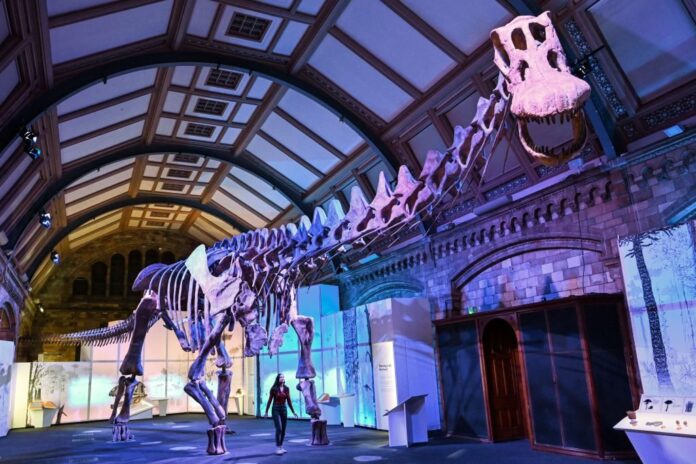
Among these giants was the Cretaceous titan, Patagotitan mayorum, which is considered the largest and most complete dinosaur discovered to date. Weighing 57 tonnes and measuring 37 metres from nose to tail, Patagotitan belonged to the titanosaur family, known for their long necks and thick limbs.

Although species like Diplodocus and Brachiosaurus have been known for over a century, Patagotitan was only unearthed in 2010 in Argentina. This discovery is part of a larger trend, as palaeontologists now find an average of 50 new dinosaur species yearly, bringing the total to around 700. The increase in discoveries is made possible by more researchers in regions rich in fossils.

Patagotitan was found by farmworker Aurelio Hernandez in Patagonia, where remains of several individuals from a herd were located. The region’s unique geology allows for easy fossil extraction. Over five years, more than 200 bones were collected, enabling scientists to reconstruct a detailed skeleton.

Despite their enormous size, the reasons for the titanosaurs’ incredible dimensions remain unclear. One theory suggests that their vast size helped them adapt to their herbivorous diet, allowing them to efficiently process hard-to-digest plants. In its lifetime, a Patagotitan would have consumed around 120 kilograms of food daily.

As for reproduction, it is believed that Patagotitan laid eggs in nests, relying on geothermal heat from volcanic soil for incubation. After hatching, the young faced numerous predators, resulting in only a small number reaching adulthood.

In terms of survival, adult Patagotitan faced little risk from predators due to their sheer size. Even formidable carnivores like Tyrannotitan, a 12-metre predator, would typically avoid confronting such a giant. As discoveries continue, it is unlikely that another dinosaur will surpass Patagotitan in size, cementing its place as a remarkable part of Earth’s prehistoric history.

Test Your Understanding

Start Quiz

Vocabulary List:
6 words · tap to reveal
ON

Accent

wingspans/ˈwɪŋˌspænz/noun
distance from one wingtip to the other

unearthed/ˌʌnˈɝθt/verb
found in the ground after being buried

palaeontologists/ˌpeɪliənˈtɑlədʒɪsts/noun
scientists who study ancient life and fossils

geothermal/ˌdʒiːoʊˈθɜrməl/adjective
heat that comes from inside the Earth

incubation/ˌɪŋkjəˈbeɪʃən/noun
keeping eggs warm so babies can grow

formidable/ˈfɔrmɪdəbl/adjective
very strong and difficult to defeat

How much do you know?

Which creature is considered the largest and most complete dinosaur discovered to date?
Diplodocus
Brachiosaurus
Patagotitan mayorum
Tyrannotitan
In what year was Patagotitan unearthed?
2005
2010
2015
2020
What is the estimated weight of Patagotitan?
30 tonnes
57 tonnes
75 tonnes
100 tonnes
How long did Patagotitan measure?
25 metres
30 metres
37 metres
45 metres
Where was Patagotitan discovered?
Argentina
Brazil
Chile
Mexico
What is the average number of new dinosaur species discovered yearly?
20
30
50
100
Pterosaurs had wingspans that could reach up to 15 metres.
Patagotitan is part of the titanosaur family.
Geothermal heat from volcanic soil was used for incubating Patagotitan eggs.
Patagotitan had a herbivorous diet.
Farmworker Aurelio Hernandez discovered Patagotitan in the Andes mountains.
Adult Patagotitan faced significant risks from predators due to their large size.
Patagotitan weighed tonnes.
Patagotitan's length measured metres from nose to tail.
Paleontologists discover an average of new dinosaur species each year.
Patagotitan was discovered in (country).
During its lifetime, a Patagotitan would have consumed around kilograms of food daily.
The discovery of Patagotitan took place in (region).
This question is required

Test Your Understanding

Start Quiz
Vocabulary List:
6 words · tap to reveal
ON
Accent
wingspans/ˈwɪŋˌspænz/noun
distance from one wingtip to the other
unearthed/ˌʌnˈɝθt/verb
found in the ground after being buried
palaeontologists/ˌpeɪliənˈtɑlədʒɪsts/noun
scientists who study ancient life and fossils
geothermal/ˌdʒiːoʊˈθɜrməl/adjective
heat that comes from inside the Earth
incubation/ˌɪŋkjəˈbeɪʃən/noun
keeping eggs warm so babies can grow
formidable/ˈfɔrmɪdəbl/adjective
very strong and difficult to defeat

How much do you know?

Which creature is considered the largest and most complete dinosaur discovered to date?
Diplodocus
Brachiosaurus
Patagotitan mayorum
Tyrannotitan
In what year was Patagotitan unearthed?
2005
2010
2015
2020
What is the estimated weight of Patagotitan?
30 tonnes
57 tonnes
75 tonnes
100 tonnes
How long did Patagotitan measure?
25 metres
30 metres
37 metres
45 metres
Where was Patagotitan discovered?
Argentina
Brazil
Chile
Mexico
What is the average number of new dinosaur species discovered yearly?
20
30
50
100
Pterosaurs had wingspans that could reach up to 15 metres.
Patagotitan is part of the titanosaur family.
Geothermal heat from volcanic soil was used for incubating Patagotitan eggs.
Patagotitan had a herbivorous diet.
Farmworker Aurelio Hernandez discovered Patagotitan in the Andes mountains.
Adult Patagotitan faced significant risks from predators due to their large size.
Patagotitan weighed tonnes.
Patagotitan's length measured metres from nose to tail.
Paleontologists discover an average of new dinosaur species each year.
Patagotitan was discovered in (country).
During its lifetime, a Patagotitan would have consumed around kilograms of food daily.
The discovery of Patagotitan took place in (region).
This question is required

Read More