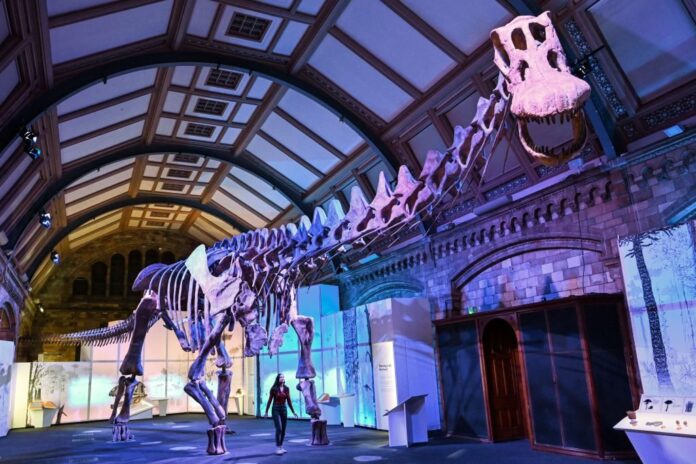
Millions of years ago, giant creatures dominated the Earth. Massive flying reptiles, known as pterosaurs, soared through the skies, while dragonflies as big as televisions buzzed around. Among the largest of these creatures was the dinosaur called Patagotitan mayorum.
Patagotitan weighed around 57 tonnes and measured 37 metres from nose to tail, making it the largest and most complete dinosaur known to scientists. It belonged to the titanosaur family, a group of dinosaurs known for their long necks and thick limbs. While fossils of other famous dinosaurs like Diplodocus and Brachiosaurus have been known for over a century, Patagotitan was discovered only in 2010 in Argentina.
Currently, scientists are in a “golden age” of dinosaur discovery, finding about 50 new species every year. This increase is due to more paleontologists working in areas rich in fossils, like South America and Africa. Patagotitan’s fossils were found after a farm worker spotted a large bone near La Flecha in Patagonia, revealing the remains of a massive animal.
The species likely lived in a herd and had to consume about 120 kilograms of food every day, mainly leaves. This creature moved through forests, helping to shape its ecosystem. Scientists are still studying how such large dinosaurs lived, fed, and reproduced, revealing the amazing diversity of life from the ancient past.
Test Your Understanding
How much do you know?