Understanding how the body burns fat is vital for managing body temperature, weight, and energy levels. Researchers at McGill University in Canada have discovered a new way to control fat burning in mice, focusing on brown fat, which burns calories to keep us warm.
Previously, it was known that brown fat generates heat through a protein called UCP1. Now, a new process, the futile creatine cycle, has been identified. This discovery could lead to improvements in health management.
“This is the first time we’ve identified an alternative pathway for heat production,” says researcher Lawrence Kazak. “It helps us see how different energy-burning systems work together to maintain body temperature.”
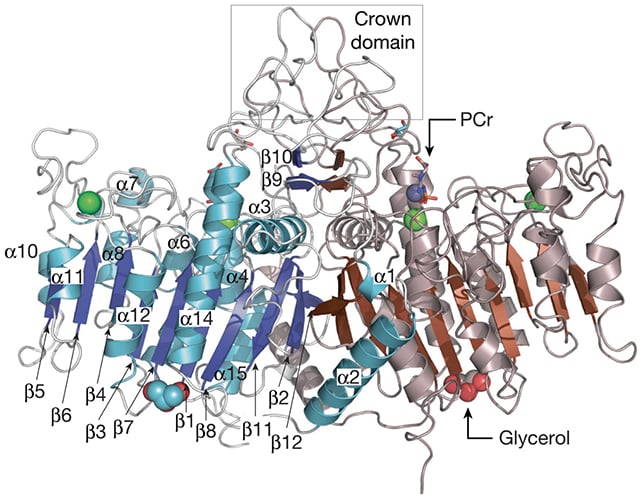
The team studied brown fat in cold mice and found chemicals that interact with an enzyme crucial for the futile creatine cycle: tissue-nonspecific alkaline phosphatase (TNAP). They discovered that glycerol, part of fat molecules, activates TNAP by binding to a specific area they named the ‘glycerol pocket’.
The team also studied a rare bone disease, hypophosphatasia, and found mutations in the glycerol pocket linked to this condition, suggesting TNAP is a key regulator.
“This could lead to new treatments,” says cell biologist Marc McKee, “by increasing TNAP activity to improve bone health.”
Currently, enzyme replacement therapy for hypophosphatasia involves frequent injections. Researchers hope their discovery might lead to new, easier medications. This work could also impact the management of obesity and diabetes.
Insights into these energy pathways could shape future treatments, offering alternatives to existing therapies. The research is published in the journal Nature.
Test Your Understanding
How much do you know?