Warning: foreach() argument must be of type array|object, false given in /home/u750883576/domains/esl-news.com/public_html/wp-content/plugins/gpt-post-quiz/includes/admin/class-gpoq-admin-4.php on line 450
Warning: foreach() argument must be of type array|object, false given in /home/u750883576/domains/esl-news.com/public_html/wp-content/plugins/td-composer/legacy/common/wp_booster/td_menu.php on line 88
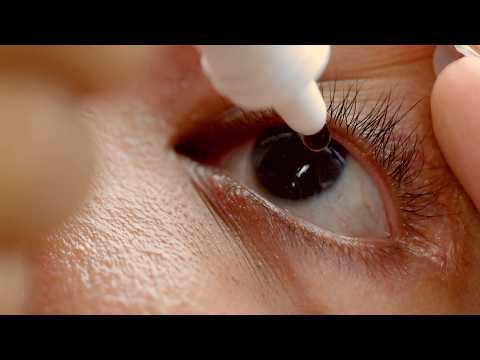
Scientists have adaptedphotosynthesis, the process plants use to survive, for human eyes. This new research, led by the National University of Singapore, could help treat dry eye syndrome, which affects over a billion people worldwide.
The team used photosynthetic membranes from spinach leaves. They applied these membranes through eye drops to lab-grown human eye cells and mice with a similar condition to dry eye syndrome. This method worked well. When light shone on the cells, they began producing NADPH. NADPH is a chemical that helps protect cells from damage.
This discovery could reduce the pain and irritation caused by dry eyes. The researchers call their new technology LEAF, which stands for light-reaction enriched thylakoid NADPH-foundry. Thylakoids are structures in plant cells that carry out photosynthesis.
In tests, LEAF treatment reduced harmful substances in tears from patients with dry eye syndrome. In mice, it performed better than Restasis, a common medication for the condition. Restasis can be expensive and cause side effects, making this new treatment appealing.
The researchers plan to begin clinical trials soon. They also hope to explore whether LEAF can help with other inflammatory conditions that need protection against harmful substances when light is present.