

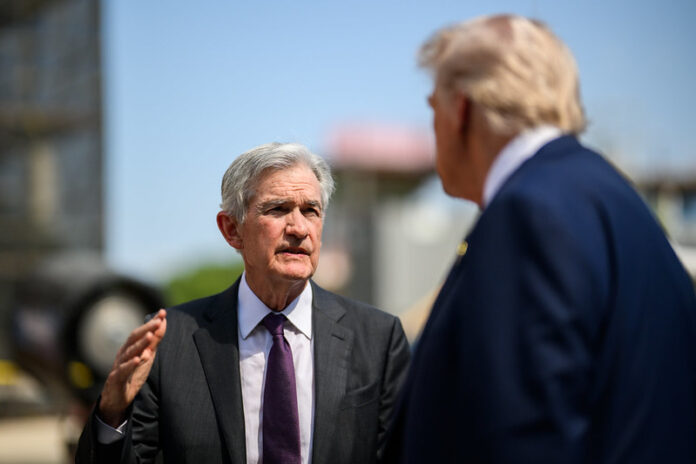
Jerome Powell’s term as chair of the Federal Reserve’s Board of Governors concludes on May 15, but he intends to remain on the board indefinitely. This decision marks a break from a 75-year tradition where the Fed chair vacates their position when their term ends.
Powell’s decision is significant as his term on the board is not set to officially end until early 2028. This move may cause frustration for President Donald Trump, who has publicly disagreed with Powell on monetary policy, particularly regarding interest rates. Over the past year, Trump has increased pressure on Powell to lower rates, which can boost stock prices by making borrowing cheaper.
Tensions escalated when the U.S. Department of Justice (DOJ) initiated a criminal investigation into Powell over allegations of misleading Congress about a costly renovation at the Federal Reserve’s headquarters. Following the investigation’s announcement, Powell released a video asserting that the probe was retaliation from Trump for not meeting his demands on interest rates.
Outrage followed, particularly from Senator Thom Tillis of North Carolina, who threatened to block the appointment of Powell’s successor unless the investigation was halted. Although the DOJ later dropped its inquiry into Powell, it referred the matter to the Federal Reserve’s inspector general. Powell declared he would not leave the board until the investigation concluded transparently.
Some critics, including Senate Banking Committee Chair Tim Scott, expressed concerns about Powell breaking established precedent. He argued that continuity in leadership can help prevent conflicting philosophies.
The Fed’s board plays a crucial role in determining the federal funds rate, which influences the economy. Current tensions have led to more divisions within the Federal Open Market Committee. While Powell’s continued presence could limit the possibility of immediate policy changes, it remains uncertain how this will ultimately affect the market.
Test Your Understanding
How much do you know?