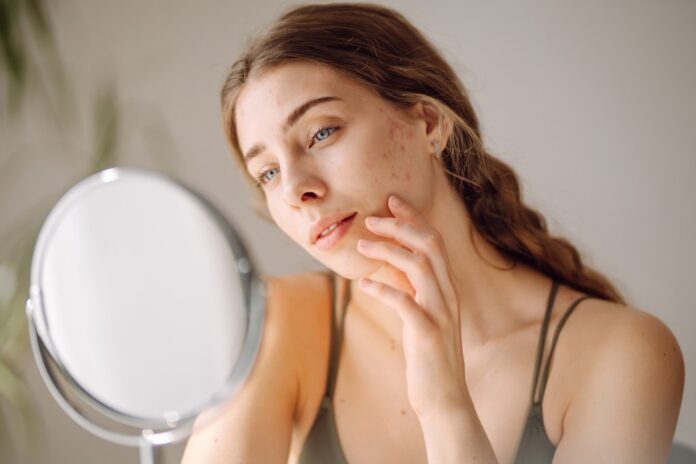
Wrinkles, dark circles beneath the eyes, and dull skin may indicate more than just superficial skin issues. The term “ferritin face” has recently gained traction as a social media hashtag, signalling potential low levels of ferritin, an important protein that stores iron in the body. This condition does not always appear in standard blood tests.
Iron deficiency, a common ailment affecting approximately one in three adults, can develop in two ways: there can be an adequate amount of iron stored in the body, yet it becomes unavailable for use, or there can be a significant reduction in iron reserves. Social media users have been sharing experiences of pale skin, dull lips, and dark circles, labelling these symptoms as “ferritin face”.
Personal accounts highlight the concern, with individuals stating their appearance feels unnaturally fatigued, prompting worry regarding their health. Although not a clinical diagnosis, “ferritin face” can imply low iron stores, potentially leading to a host of symptoms such as extreme fatigue, coldness in extremities, and breathing difficulties.
Medical professionals underscore the widespread issue of low iron levels, particularly among women. A report from JAMA Open Network indicated that 34% of women aged 18 to 50 are iron deficient. Dr. Tania Elliot, an internal medicine specialist, remarked that many women may not readily associate changes in their appearance with low ferritin levels, largely because ferritin tests are not routinely ordered by doctors.
Ferritin levels are typically considered normal between 20 to 200 nanograms per millilitre for women and 20 to 500 nanograms for men. To properly assess iron levels, a ferritin test is conducted if a complete blood count demonstrates low hemoglobin, symptoms of deficiency are present, or if there’s a risk of deficiency due to factors such as pregnancy or heavy menstrual bleeding.
Test Your Understanding
How much do you know?