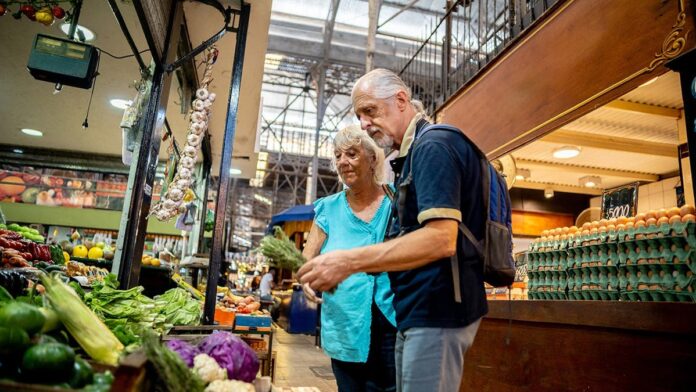
Grocery shopping has transformed significantly over the past five decades, and this evolution has sparked dissatisfaction among some consumers, particularly baby boomers, those born between 1946 and 1964. With a reliance on technology and modern conveniences, many of the changes in grocery stores have not resonated well with this demographic.
One major point of contention is the rise of self-checkout systems. According to a YouGov survey, 62% of respondents aged 65 and over prefer traditional cashier-assisted checkout, citing issues such as the difficulty of weighing produce and the lack of personal interaction. While younger shoppers tend to embrace self-checkout options, baby boomers express concern over feeling as though they are providing unpaid labour.
Cleanliness and organisation in grocery stores emerge as vital considerations for boomers. A 2024 survey reveals they favour traditional supermarkets, with 32% preferring them over discount retailers like Walmart. This preference draws a stark contrast with younger generations, who often favour more budget-oriented shopping environments.
In addition, baby boomers lament the frequent relocation of products, which they feel complicates shopping. Many also criticise the prevalence of digital coupons, which can disadvantage those without access to smartphones. With a significant population of older adults living on fixed incomes, the prevalence of out-of-stock items poses an added financial strain when searching for affordable options.
The issue of understaffing in grocery stores further compounds these challenges. Baby boomers report longer wait times and reduced personal interactions due to fewer employees available to assist customers. Conversely, the absence of dedicated grocery baggers has left many feeling frustrated, as they are required to bag their own items.
Such concerns illustrate the significant generational divide in grocery shopping preferences. As consumer habits evolve, retailers may need to consider strategies to better meet the expectations of older adults moving forward.