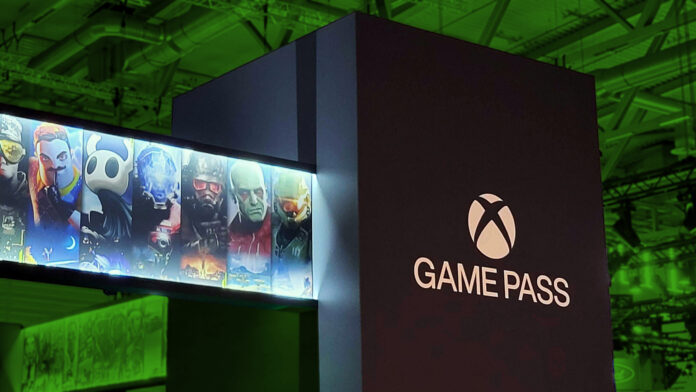
Newly appointed CEO Asha Sharma of Xbox has notably avoided discussing Xbox Game Pass amidst significant strategic shifts within the company. Launched as a subscription service reminiscent of Netflix and Spotify, Xbox Game Pass offers access to a wide array of games, from major titles to indie releases. While it was once celebrated as an exceptional value in gaming, recent developments suggest this may no longer be the case.
The recent substantial cuts at Xbox can be attributed largely to a drop in Game Pass revenue and a slowdown in sales for the Call of Duty franchise. The introduction of Call of Duty: Black Ops 7 did not perform as expected, impacted by rising competition from games such as Battlefield 6. This decline in performance is noteworthy, as even minor disruptions within the costly Call of Duty operation can lead to significant repercussions.
Including Call of Duty in Xbox Game Pass has complicated the business model. Fewer consumers are buying the game directly, while the service’s price increase has led to user attrition over time, resulting in challenges for both business models. As consumer preferences evolve, questions arise regarding whether Xbox Game Pass is now adversely affecting the company’s overall operations.
Concerns regarding Game Pass’s impact on Microsoft’s gaming studios have been voiced by industry insights. Several studio leaders reportedly feel that providing games for free through Game Pass undermines their market value, suggesting a detrimental effect on the wider gaming industry.
Looking ahead, speculation suggests that Microsoft might reconsider its day-one Xbox Game Pass model. Though no official indications have been made, the exclusion of new Call of Duty titles from the service could signal a strategic shift. Thus, Xbox may explore alternative models, such as a customisable Game Pass, where users pay extra for select titles.
Test Your Understanding
How much do you know?