Saturday, August 1, 2026

Scientists Uncover Gluten’s Impact on Gut Health

Celiac disease is a chronic condition characterised by the immune system attacking the small intestine upon the ingestion of gluten, a protein found in wheat, barley, and rye. This situation poses significant health risks for individuals affected by the disease, impacting their ability to consume gluten-containing foods.

A recent in-depth review led by researchers from the University of Rome Tor Vergata has synthesised findings from over 100 studies to elucidate the mechanisms underlying celiac disease. The study aims to clarify how genetic predispositions, combined with additional contributing factors, lead to intestinal damage.

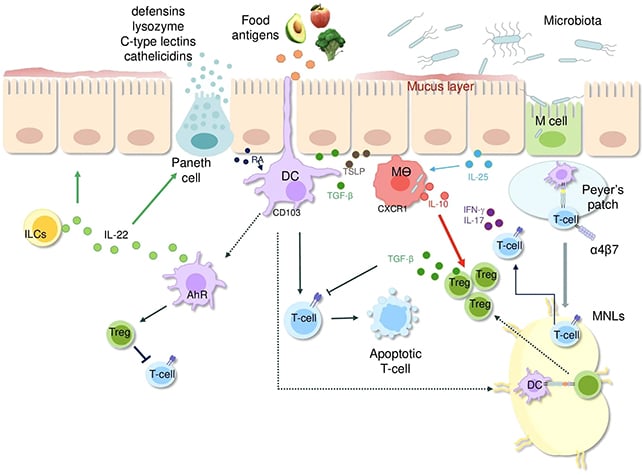
While genetics plays a crucial role in the disease’s onset, the researchers note that not everyone with a genetic risk will develop celiac disease. This suggests the involvement of additional “amplifiers” that might influence its progression. One identified factor is a disruption in the gut’s bacterial balance, essential for a functioning immune response. When this balance is disturbed, the immune system can react violently, harming healthy intestinal tissue in the process.

The enzyme tissue transglutaminase 2 (TG2), which assists in gluten breakdown, can exacerbate the issue. In individuals with certain genetic variants, the by-products of gluten appear as threats, prompting an immune response. This response includes the activation of T-cells, which produce inflammatory signals that can damage gut lining cells.

Recent studies indicate that structural cells in the gut also interact with the immune system, potentially perpetuating the damage. Moreover, variations in gut bacteria may influence this disease mechanism, along with other wheat proteins and immune signals that increase stress on the gut lining.

The researchers emphasise the complex interplay between genetic and environmental factors in the pathogenesis of celiac disease. Moving forward, they assert the need for enhanced models of the disease to uncover pathogenic sequences and to explore new therapeutic options beyond gluten avoidance.

Test Your Understanding

Start Quiz

Vocabulary List:
6 words · tap to reveal
ON

Accent

chronic/ˈkrɑnɪk/adjective
lasting a long time, not short

characterised/ˈkærəktəˌraɪzd/adjective
shown or described by certain features

immune/ɪˈmjun/adjective
protected from disease or an attack

ingestion/ɪnˈdʒɛstʃən/noun
when something is taken into the body

predispositions/ˌpriːdɪspəˈzɪʃənz/noun
natural reasons making something more likely

exacerbate/ɪɡˈzæsərbeɪt/verb
make a bad situation or problem worse

How much do you know?

What is celiac disease primarily triggered by?
Intake of dairy products
Ingestion of gluten
Excessive sugar intake
High-fat diets
Which protein is NOT associated with celiac disease?
Gluten
Casein
Barley
Rye
What is the role of tissue transglutaminase 2 (TG2) in celiac disease?
It protects the gut lining
It assists in gluten breakdown
It strengthens the immune response
It balances gut bacteria
Where was the recent in-depth review on celiac disease conducted?
Stanford University
University of Rome Tor Vergata
Harvard University
Yale University
What can disturb the gut's bacterial balance according to the study?
Only genetic predispositions
Environmental factors
Diet variations
All of the above
Which factor may activate T-cells in individuals with celiac disease?
Sodium levels
Nutritional supplements
By-products of gluten
High fiber intake
Celiac disease is caused by an overreaction of the immune system to dairy products.
Genetic predisposition alone is sufficient to develop celiac disease.
The immune response in celiac disease includes the activation of T-cells.
Environmental factors have no impact on the progression of celiac disease.
Disruption of gut bacterial balance can exacerbate celiac disease.
The review included findings from over 50 studies.
Celiac disease is characterised by the immune system attacking the small intestine upon the ingestion of gluten, a protein found in wheat, barley, and .
The enzyme tissue transglutaminase 2 (TG2) assists in gluten breakdown and can exacerbate the issue in individuals with certain genetic .
The researchers emphasise the complex interplay between genetic and factors in the pathogenesis of celiac disease.
Moving forward, the researchers assert the need for enhanced models of the disease to uncover pathogenic and explore new therapeutic options.
Recent studies indicate that structural cells in the gut also interact with the system.
When the gut’s bacterial balance is disturbed, the immune system can react violently, harming healthy tissue.
This question is required

Test Your Understanding

Start Quiz
Vocabulary List:
6 words · tap to reveal
ON
Accent
chronic/ˈkrɑnɪk/adjective
lasting a long time, not short
characterised/ˈkærəktəˌraɪzd/adjective
shown or described by certain features
immune/ɪˈmjun/adjective
protected from disease or an attack
ingestion/ɪnˈdʒɛstʃən/noun
when something is taken into the body
predispositions/ˌpriːdɪspəˈzɪʃənz/noun
natural reasons making something more likely
exacerbate/ɪɡˈzæsərbeɪt/verb
make a bad situation or problem worse

How much do you know?

What is celiac disease primarily triggered by?
Intake of dairy products
Ingestion of gluten
Excessive sugar intake
High-fat diets
Which protein is NOT associated with celiac disease?
Gluten
Casein
Barley
Rye
What is the role of tissue transglutaminase 2 (TG2) in celiac disease?
It protects the gut lining
It assists in gluten breakdown
It strengthens the immune response
It balances gut bacteria
Where was the recent in-depth review on celiac disease conducted?
Stanford University
University of Rome Tor Vergata
Harvard University
Yale University
What can disturb the gut's bacterial balance according to the study?
Only genetic predispositions
Environmental factors
Diet variations
All of the above
Which factor may activate T-cells in individuals with celiac disease?
Sodium levels
Nutritional supplements
By-products of gluten
High fiber intake
Celiac disease is caused by an overreaction of the immune system to dairy products.
Genetic predisposition alone is sufficient to develop celiac disease.
The immune response in celiac disease includes the activation of T-cells.
Environmental factors have no impact on the progression of celiac disease.
Disruption of gut bacterial balance can exacerbate celiac disease.
The review included findings from over 50 studies.
Celiac disease is characterised by the immune system attacking the small intestine upon the ingestion of gluten, a protein found in wheat, barley, and .
The enzyme tissue transglutaminase 2 (TG2) assists in gluten breakdown and can exacerbate the issue in individuals with certain genetic .
The researchers emphasise the complex interplay between genetic and factors in the pathogenesis of celiac disease.
Moving forward, the researchers assert the need for enhanced models of the disease to uncover pathogenic and explore new therapeutic options.
Recent studies indicate that structural cells in the gut also interact with the system.
When the gut’s bacterial balance is disturbed, the immune system can react violently, harming healthy tissue.
This question is required

Read More